


How to Get Your Blog Cited in Google AI Overviews (2026 Guide)

Google search is changing fast. For many queries, the first thing a reader now sees is not a list of blue links — it is an AI Overview: a short, AI-generated answer with a handful of source citations underneath. If your blog is one of those sources, you get visibility even when the reader never scrolls. If it is not, a competitor takes that space.
The good news? AI Overviews do not cite random pages. They cite pages that are clear, trustworthy and easy to extract answers from — exactly the things good SEO has always rewarded. Here is how to give your blog the best chance of being one of them.
What Is a Google AI Overview?
An AI Overview is Google’s AI-generated summary shown at the top of some search results. Google pulls facts and phrasing from several web pages and links back to them as citations.
Two things matter for bloggers:
- Citations are the new position zero. Being cited inside the overview can bring more visibility than ranking #5 organically.
- Not every query triggers one. Informational queries — “how to”, “what is”, “best way to” — trigger overviews most often. That is exactly the kind of content most blogs publish.
How Google Chooses Which Blogs to Cite
Google has not published a checklist, but cited pages consistently share the same traits:
- They answer the query directly, early in the page
- They are well structured, with clear headings that match sub-questions
- They show topical authority — the site covers the subject in depth, not in one isolated post
- They demonstrate E-E-A-T: experience, expertise, authoritativeness and trust
- They are easy to parse: short paragraphs, lists, tables and definitions the AI can lift cleanly
Notice what is missing from that list: keyword stuffing and word count for its own sake. AI systems extract answers, not keyword density.
Step 1: Target Questions, Not Just Keywords
AI Overviews appear for question-style searches. When you research a topic, collect the actual questions readers ask:
- Google’s “People Also Ask” boxes
- Reddit and Quora threads in your niche
- Comments on your existing posts
Then make each major question an H2 in your article, and answer it in the first 2–3 sentences under that heading — before you add examples or detail. This “answer first, explain second” format is the single easiest change you can make.
Step 2: Structure Every Post for Extraction
AI systems love content they can copy in chunks. Help them:
- One idea per paragraph, and keep paragraphs to 2–4 lines
- Use numbered lists for steps and bullet lists for features or pros/cons
- Add a short definition early in the post for “what is” topics: one or two sentences, in plain language
- Use tables when comparing tools, prices or options — tables are cited often
- Keep your heading order logical: one H1, then H2s, then H3s. Never skip a level.
Step 3: Build Topical Authority Around the Post
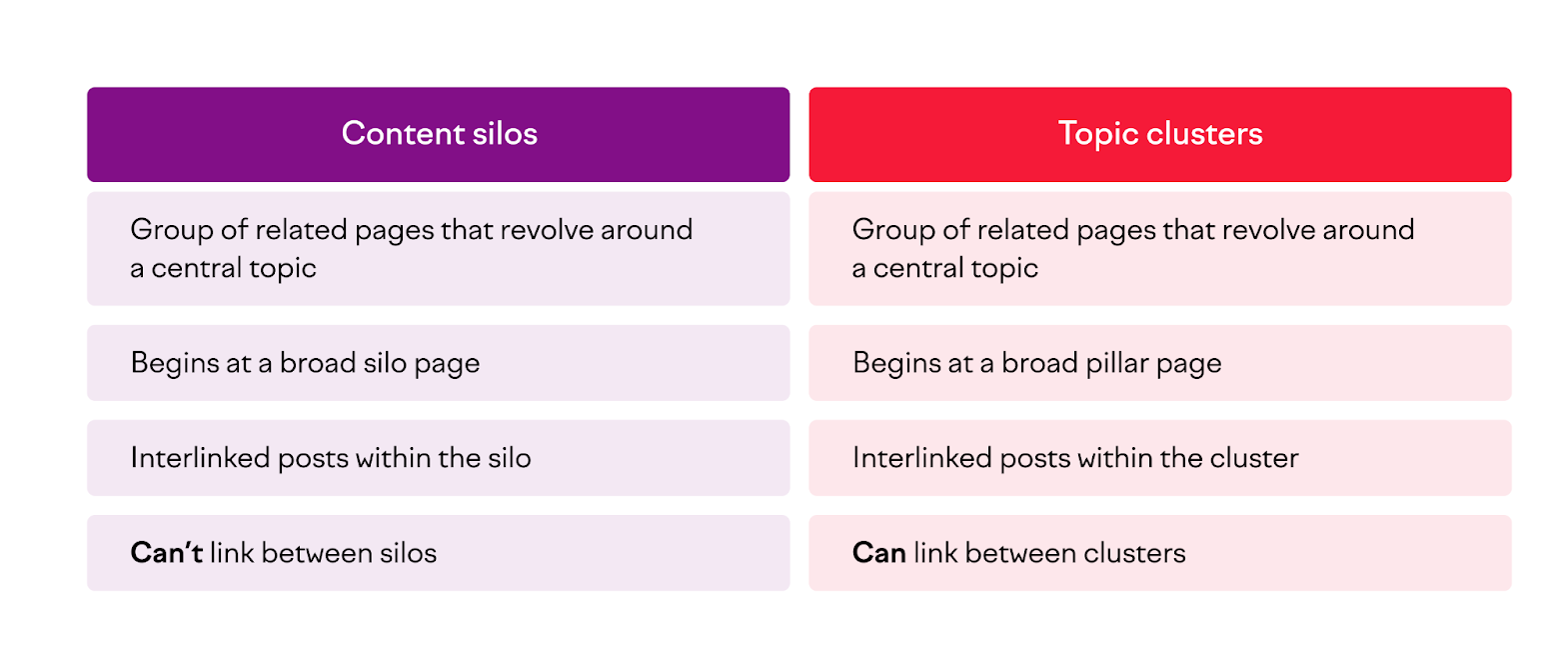
A single post rarely gets cited on a competitive topic. A cluster does. Publish a small group of related posts and link them together:
- One main guide (the pillar)
- 3–5 supporting posts, each covering one sub-question in depth
- Every supporting post links back to the pillar, and the pillar links out to them
This is semantic SEO in practice: you are showing Google that your site genuinely covers the topic, not just one keyword.
Step 4: Add Proof Only You Can Offer
AI-generated answers are generic. Your advantage is real experience. Add things an AI cannot invent:
- Screenshots from your own work or tools
- A short case study: what you tried, what happened, with numbers
- Original data, even simple data — a small survey, a test result, a before/after
- Your honest opinion where tools or methods differ
Pages with first-hand proof are cited more often, and they are also the pages readers trust when they do click through.
Step 5: Strengthen Your E-E-A-T Signals
Before citing you, Google needs to know who “you” are:
- A complete author bio with your name, photo and experience
- A proper About page that explains what the site covers and who runs it
- Consistent author information across your posts
- Contact details that match your domain and country
These are small, one-time fixes that support every post on your site.
Step 6: Keep the Technical Basics Clean
Citations still start with crawling and indexing. Make sure:
- Your post is in your XML sitemap and indexed
- The title tag is clean and matches the search intent — no empty separators or duplicated site names
- Images have descriptive alt text (not the full post title repeated)
- The page loads fast on mobile and the main content is not hidden behind popups or slow overlays
A Simple AI Overview Checklist for Every New Post
Before you publish, check:
- ☐ The main question is answered in the first 100 words
- ☐ Each H2 answers one clear sub-question
- ☐ At least one list, table or definition is included
- ☐ The post links to 3–5 related posts, and they link back where relevant
- ☐ One piece of first-hand proof is included (screenshot, data or example)
- ☐ Author bio, title tag and image alt text are complete
Final Thoughts
You cannot force Google to cite your blog in AI Overviews — but you can make your pages the easiest and most trustworthy source available. Answer questions directly, structure posts for extraction, build clusters instead of one-off posts, and prove real experience.
Bloggers who adapt their format now will keep their visibility as search changes. Those who keep writing only for the old blue links will slowly disappear from the top of the page.
Next step: pick one of your existing guides, apply the checklist above, and watch whether it starts appearing as a citation. Small format changes often beat writing a brand-new post.