






How to Find Low Competition Keywords That Actually Rank in 2025
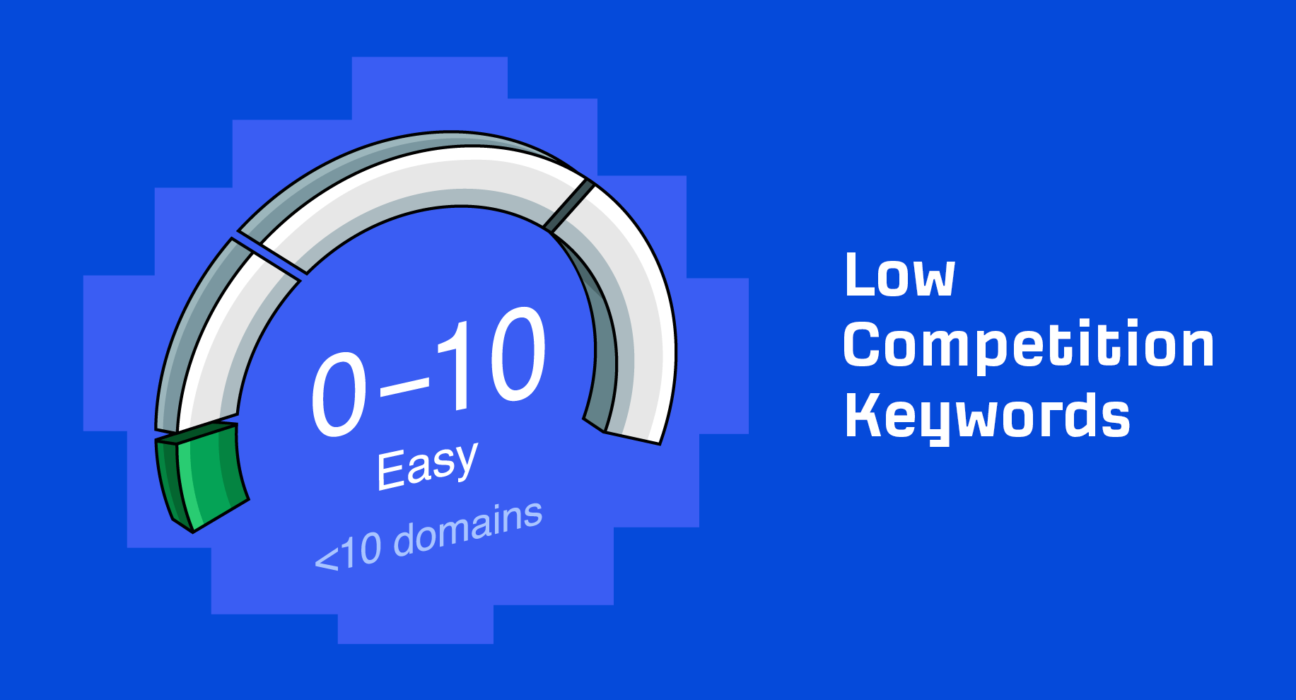
💡 Introduction: Why Low Competition Keywords Matter
If you’re starting a blog in 2025, chasing high-volume, competitive keywords is like running into a wall. Big websites with high domain authority will always outrank you — unless you take the smarter route.
That smarter route is called low competition keyword targeting.
These keywords are:
-
Easy to rank
-
Less competitive
-
Often long-tail
-
Ideal for micro-niche blogs and new websites
In this guide, you’ll learn how to find, validate, and use low competition keywords to rank your blog posts and build organic traffic — even if you’re starting from zero.
🔍 What is a Low Competition Keyword?
A low competition keyword is a search term with:
-
Low SEO difficulty
-
Medium to low search volume (50–1,000 monthly searches)
-
Specific intent
-
Weak competition on Google SERPs
Example:
High competition: “weight loss tips”
Low competition: “how to lose weight with lemon water for PCOS”
Smaller, more specific = higher chances of ranking.
🧠 Step 1: Understand User Intent
There are 4 types of search intent:
-
Informational – “what is intermittent fasting?”
-
Navigational – “Facebook login”
-
Transactional – “buy protein powder online”
-
Commercial – “best budget laptops for students”
Low competition keywords usually live in informational + long-tail zones.
You want to solve a very specific problem.
🧰 Step 2: Use Free Tools to Discover Hidden Gems
✅ 1. Google Autocomplete
Start typing your topic in Google and see what it suggests.
Example:
Type “AI tools for” and you’ll get:
-
AI tools for students
-
AI tools for blogging
-
AI tools for resume writing
These are natural, low-competition long-tails.
✅ 2. AnswerThePublic
Type your keyword and see hundreds of related questions.
Perfect for blog post ideas and FAQ content.
✅ 3. Google Trends
Check if a keyword is rising, seasonal, or evergreen.
Look for upward trends = future traffic!
✅ 4. People Also Ask (PAA)
Search a keyword → scroll to “People also ask” box → Use those queries as blog subtopics.
✅ 5. Keyword Surfer (Chrome Extension)
Get keyword volume + suggestions directly on Google.
💼 Step 3: Bonus Paid Tools (If Available)
If you want more data, try:
-
LowFruits.io – Finds easy-to-rank keywords with weak SERP competition
-
Ubersuggest (Free + Paid) – Gives SEO difficulty, volume, CPC
-
Ahrefs – Best for in-depth competitor research
-
SEMRush – Helps build full content plans
Tip: Even free versions of these tools are very helpful.
📝 Step 4: Find Keywords That Meet This Formula
Use this filter for your keyword list:
-
Search volume: 50–1000/month
-
SEO difficulty: Below 30 (on tools like Ubersuggest/LowFruits)
-
Length: 4+ words
-
Intent: Informational or solution-focused
✅ Examples:
-
“best budget AI tools for bloggers”
-
“how to start a keto diet on a budget”
-
“free tools to write blog posts faster”
These keywords are specific, underserved, and easier to rank.
🔍 Step 5: Manually Check the SERPs
Google your keyword. Now ask:
-
Are the top results big websites (Forbes, Wikipedia, Healthline)?
-
Or are they forums, Quora, Medium, Reddit, or low-DA blogs?
If you see weaker pages ranking, that’s a green light 🚦
You’ve found a low competition opportunity.
🧠 Step 6: Group Related Keywords into One Post
Don’t write 10 posts for 10 similar keywords.
Instead, write one strong post that covers all of them.
Example:
If your keywords are:
-
“how to use ChatGPT for SEO”
-
“ChatGPT content outline generator”
-
“best prompts for SEO blogging”
Then write one article:
“How to Use ChatGPT for SEO Blogging (Tools, Prompts, & Strategy)”
Use all variations in headings and content.
📚 Step 7: Create Content That Matches Keyword Intent
Once you’ve chosen a keyword:
-
Make it your title + URL + H1 tag
-
Use related variations as H2s
-
Answer the core question clearly
-
Add FAQs to match long-tail queries
Pro Tip: Add your keyword in the first 100 words + meta description.
🚀 Bonus: 5 Real Keyword Ideas (Low Competition – 2025 Edition)
-
“free SEO tools for students in 2025”
-
“how to start a blog using mobile only”
-
“best AI resume builders for freelancers”
-
“low competition affiliate niches 2025”
-
“blog post ideas for introverts”
Try Googling them — you’ll find weak SERPs = your opportunity!
✅ Final Thoughts: Small Keywords, Big Wins
The internet is noisy, but smart bloggers don’t try to shout — they whisper in the right room.
Low competition keywords give new bloggers a chance to:
-
Rank faster
-
Get targeted traffic
-
Build authority
-
Earn earlier through AdSense or affiliates
Start small. Build smart. Keep going.
💬 Next up: Want a ready-made keyword list? Our next blog post shares 100+ Low Competition Keywords for Bloggers in 2025 — stay tuned!