


E-E-A-T for Bloggers: How to Show Experience and Trust to Google

You can follow every on-page SEO rule, target the perfect keyword, and still watch a weaker article outrank you. Why? Often, the difference is not the keywords. It is trust.
Google does not just ask, “Does this page match the search?” It also asks, “Should a reader believe this page?” That second question is where E-E-A-T comes in — and for bloggers it can be the factor that decides who ranks and who gets ignored.
The good news: E-E-A-T is not a mystery score you cannot influence. It is a set of signals you build with your author pages, your content habits, and a few trust pages most blogs skip. Here is how to show experience and trust to Google, step by step.
What Is E-E-A-T, in Plain English?
E-E-A-T stands for Experience, Expertise, Authoritativeness, and Trustworthiness. It comes from Google’s Search Quality Rater Guidelines — the document human raters use to judge search results. Raters cannot change rankings directly, but Google uses their feedback to train its systems, so the qualities raters look for are the qualities your blog should show.
Each part means something slightly different:
- Experience: Have you actually done the thing you are writing about?
- Expertise: Do you know the subject in depth?
- Authoritativeness: Do other people and sites treat you as a reliable source?
- Trustworthiness: Can readers rely on you to be accurate, honest, and safe to deal with?
Google has said trust is the most important of the four. A page can look expert and still fail if readers doubt it — unclear authorship, exaggerated claims, or no way to contact the person behind it.
One myth to drop: there is no single “E-E-A-T score” in Search Console, and no plugin can measure it. It is about visible proof, not a number.
Why E-E-A-T Matters More for Bloggers Now
Two changes have raised the bar. First, the web is flooded with mass-produced AI and rewritten content that all says roughly the same thing. When ten posts are near-identical, Google needs another way to choose — and first-hand, trustworthy content is that way.
Second, that flood is good news for real bloggers. A content farm can copy your structure, but it cannot copy your screenshots, your test results, your mistakes, or your years of posts on one topic.
Experience: Prove You Have Actually Done It
Experience is the newest part of E-E-A-T, and the one bloggers can win most easily. Google wants to see first-hand involvement with the topic — you used the tool, followed the method, or made the mistake and learned from it.
Show Your Work With Screenshots and Results
If you write about a tool, show your own dashboard. If you share a strategy, show what happened when you used it — traffic before and after, a ranking you gained, a post that failed and why. Real screenshots are almost impossible for competitors to copy and instantly make a post feel lived-in rather than assembled.
Write in Specifics, Not Generalities
Generic advice (“post consistently, use social media”) signals no experience. Specifics signal the opposite: the exact setting you changed, the problem you hit in step three. When a sentence could appear on any blog, ask: what did this actually look like for me? Then write that instead.
Expertise: Show You Know the Subject in Depth
Expertise is depth and accuracy. Google reads your site as a whole: forty connected, accurate posts on blogging and SEO look far more expert than one post on SEO, one on shoes, and one on car rental.
Cover Topics in Clusters
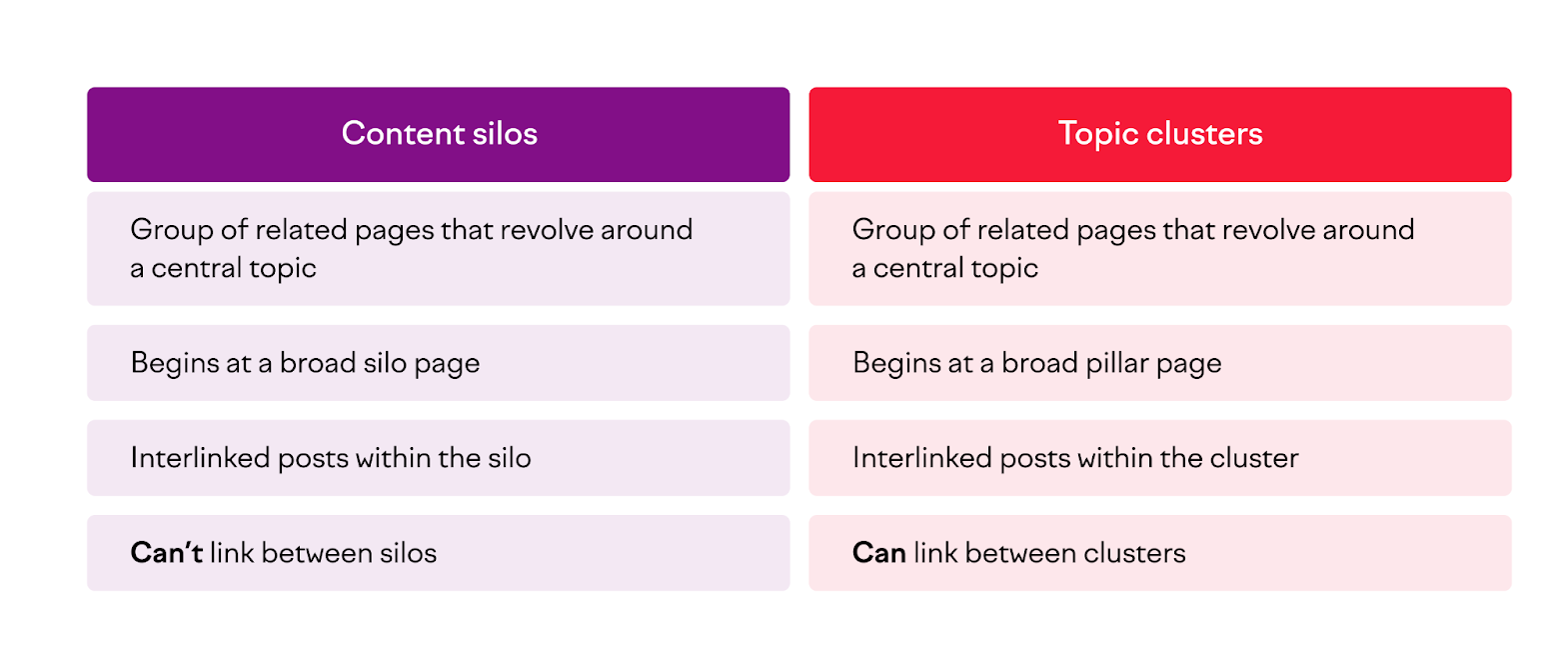
Publish groups of related posts that link to each other, so each topic is covered from several angles instead of once. Clusters show depth and make it obvious what your blog is actually an expert in.
Get the Details Right
Nothing damages perceived expertise faster than basic errors — outdated years in titles, steps that no longer exist in a tool, or statistics quoted with no source. Review your important posts regularly, update screenshots and steps, and link to primary sources when you cite data.
Let Your Author Bio Carry Weight
Every post should sit under a real author identity — your bio is your credentials page, not decoration. Include:
- Your real name and a clear photo
- What you do and how long you have done it (for example, running this blog, your SEO work)
- The topics you specialise in
- Links to your profiles elsewhere, such as LinkedIn or X, so your identity is verifiable
Then create a full author page that expands the bio and lists your posts. If a reader cannot find out who wrote a post within ten seconds, that is an E-E-A-T gap.
Authoritativeness: Get Recognised Beyond Your Own Site
Authoritativeness is your reputation in your niche. You cannot declare it yourself — it comes from what others do: linking to you, citing you, and mentioning your brand.
Practical ways bloggers build it:
- Earn links with useful assets: original data, free templates, and checklists get linked to; rewritten listicles rarely do.
- Write guest posts on respected sites in your niche, with a proper author bio linking back.
- Be consistent everywhere: the same name, photo, and description across your blog and profiles makes you one recognisable entity.
- Stay in your lane: authority built on blogging and SEO is diluted when the same site publishes unrelated topics under the same author name.
Authority grows slowly, but it compounds — and sites with a real reputation recover from algorithm updates far more often than anonymous content sites.
Trustworthiness: The Signals Readers (and Google) Check First
Trust supports everything else, and most of its signals are one-time fixes that many blogs get wrong.
Fix Your Trust Pages
Every blog needs an About page, a Contact page, and a Privacy Policy that are real, current, and easy to find. Your About page should say who runs the site, what it covers, and why you are qualified — not generic text copied from a theme demo. Contact details should match your actual business and country; a UK blog listing a random overseas address destroys trust in seconds.
Be Honest About Money and Reviews
If a post contains affiliate links, say so — in the post and in a disclosure page. If you review tools, explain how: did you buy it, test it, use it for a month, or only read the sales page? A short reviews policy page (“we only recommend tools we have tested”) is a powerful trust signal.
Keep Claims Honest and Pages Safe
Avoid guaranteed rankings, income claims you cannot back up, and clickbait titles the content does not deliver. Make sure your site loads over HTTPS, and add a short “updated” note when you fix an error in a post — it shows readers you care about being right.
A Simple E-E-A-T Checklist for Your Blog
Work through this once for your site, then repeat the post-level items for every new article:
Site level (one-time):
- ☐ About page rewritten in your own words, with your real story
- ☐ Contact details that match your domain and country, plus a Privacy Policy and affiliate disclosure linked in the footer
- ☐ No leftover theme demo content (demo team pages, placeholder text, demo links)
Author level:
- ☐ Real author name, photo, and bio on every post
- ☐ Full author page with experience, topics, and profiles elsewhere
- ☐ Same name and photo used consistently across platforms
Post level (every article):
- ☐ At least one piece of first-hand proof: screenshot, result, or personal example
- ☐ Claims and statistics linked to a source, or labelled as your own experience
- ☐ Affiliate links disclosed, and the post checked for outdated steps and year references
Common E-E-A-T Mistakes Bloggers Make
The same avoidable errors appear again and again: publishing under “Admin” with no bio, leaving a generic theme About page live for years, reviewing tools never actually opened, and spreading one author across dozens of unrelated topics. None of these need a budget to fix — they need an hour of honest tidying, which is exactly why fixing them puts you ahead of most blogs.
Final Thoughts
E-E-A-T for bloggers is not a trick or a ranking switch. It is simply Google rewarding what good readers already reward: a real person, with real experience, writing accurately about a topic they genuinely know, on a site that is honest about who it is and how it makes money.
Start with the one-time fixes — your author page, About page, and trust pages. Then build the habit that matters most: in every post, prove you were actually there. Do that consistently, and trust becomes the reason Google, and your readers, pick you.