


How to Write Blog Newsletters People Actually Open

You spent an hour writing a newsletter you were proud of. You sent it to the two hundred people who had trusted you with their email addresses. And then — nothing. A handful of opens, one click, silence.
It is the loneliest feeling in blogging, because an email list is supposed to be the safe place. Google can ignore your posts and social media can hide them, but an email lands right in front of a person who already said yes to you. So when that person does not open it, the question is not “what is wrong with my blog?” It is “what is wrong with this email?”
Usually, the answer is kinder than you think. People do not open newsletters because the subject line was clever. They open them because the last few emails taught them it was worth it.
What a Blog Newsletter Actually Is (and What It Is Not)
A blog newsletter is a regular email you send to people who subscribed through your blog. It is not a copy of your latest post pasted into an email, and it is not a sales letter with a blog attached. At its best, it is a short, personal note to one reader — with one useful idea, one link worth clicking, and one reason to look forward to the next one.
The difference matters. A blog post is written for strangers who found you through search. A newsletter is written for people who already know you. They need a reason to keep paying attention, and that reason is almost never “more content”. It is trust: the quiet belief that opening your email will not waste three minutes of their day.
If you do not have a list yet, start there — our guide on how to start an email list for your blog walks through the setup from zero subscribers. This guide is for the next step: writing emails people genuinely want to open.
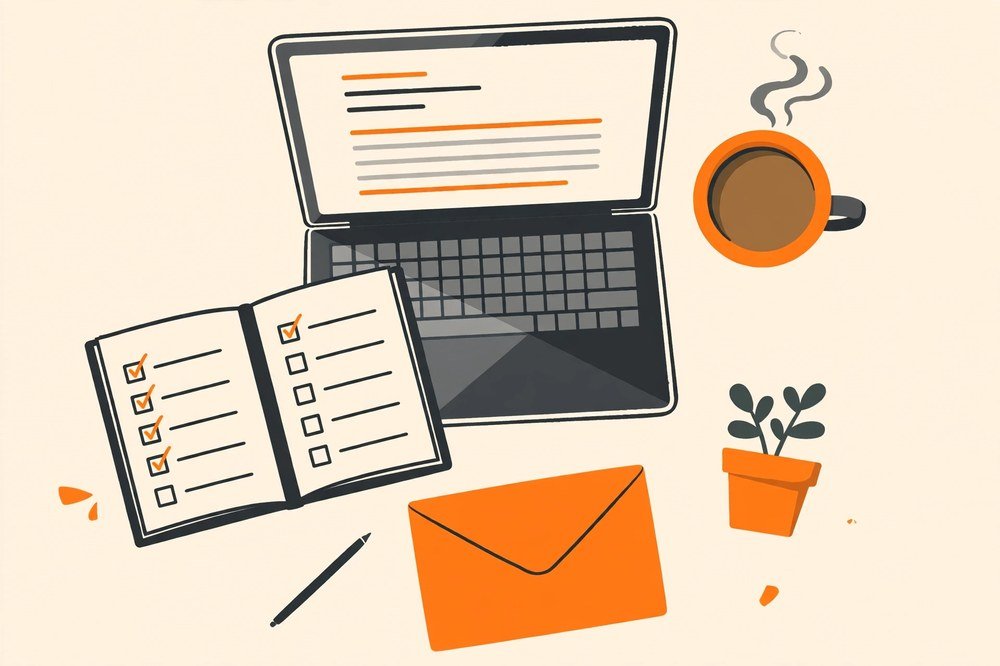
Why People Stop Opening (It Is Rarely the Subject Line)
Every blogger blames subject lines first, because they are the easiest thing to fix and the hardest thing to admit is not the problem. A brilliant subject line on a boring email buys you one good open rate and then a slow decline.
People stop opening because of what the last three emails taught them. If the last three were long, rambling, or mostly self-promotion, the fourth one gets deleted unread — no matter what its subject line says.
1. Give Your Newsletter One Clear Job
Most newsletters fail before a single word is written, because nobody decided what the newsletter is for. So every issue tries to do three things at once — promote the product, share the news, and teach something — and readers can feel the confusion even if they cannot name it.
Pick one primary job and let everything else be occasional: teach one thing per issue, curate the best of the week, tell the honest story behind the blog, or drive readers back to new posts. That last one works best as a supporting job — “here is my new post” is not a reason to open an email.
2. Write to One Real Reader, Not “My Subscribers”
“Dear subscribers” is how a newsletter starts sounding like a press release, and nobody opens a press release with enthusiasm. Instead, picture one specific person: a real reader, a friend, a past version of yourself with the exact problem your issue solves. Write the email as if you are answering them directly. Use “you” far more than “we”, and tell them one thing in the tone you would use over coffee.
This is the same trick that makes blog posts readable — our guide on how to write blog posts faster makes the same point about writing for one person — but it matters even more in email, because an inbox is personal space. An email written for one person gets opened like a letter. An email written for a list gets treated like junk mail.
3. Subject Lines: Specific Beats Clever, Every Time
The subject line has one job: make one honest promise about what is inside. The patterns that earn opens without turning into clickbait all share the same quality — specificity:
- The specific number: “3 email mistakes that cost me 200 subscribers”
- The question they already ask: “Still sending your newsletter at the wrong time?”
- The named outcome: “The subject line formula that doubled my opens”
- The honest confession: “I sent this email a week late. Here is why.”
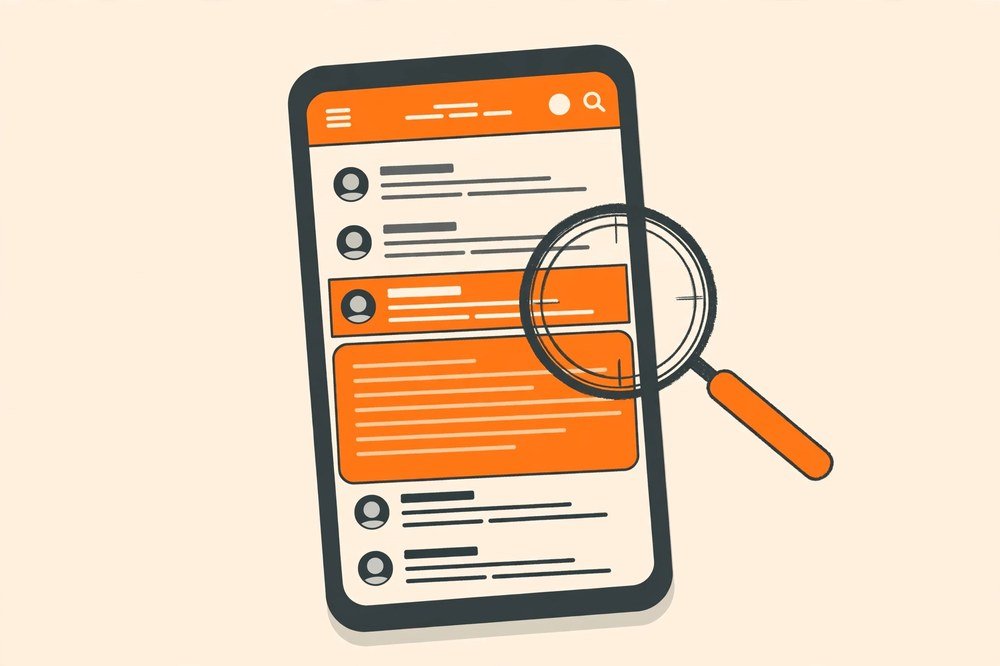
Two rules govern all of them. First, keep it under about 50 characters so it survives being cut off on a phone. Second, never promise what the email does not deliver. One broken promise costs more future opens than ten boring subject lines ever will.
4. Use a Structure Readers Can Recognise in Two Seconds
Open-worthy newsletters are not longer than other newsletters. They are structured. Readers develop a habit around a format the same way they develop a habit around a favourite podcast’s intro music: they know what is coming, and that familiarity is comforting.
Here is a five-part skeleton that works for almost any blog newsletter:
- The payoff first. One or two sentences that deliver the subject-line promise immediately. No throat-clearing, no weather, no “hope you are well”.
- The one big idea. A single point, developed with a story, an example or a number. One idea fully explored beats three half-explained.
- The usable takeaway. A concrete action, checklist or template the reader can use today. This is the part people quietly thank you for.
- The pivot. One link — to your new post, a tool, a recommendation — that follows naturally from the idea.
- The same sign-off, every time. A short, recognisable closing. It sounds trivial; it is the part that makes your newsletter feel like yours.
Keep the whole thing between roughly 200 and 600 words. If an issue keeps growing past that, it is two issues — split it, and next week’s email writes itself.
5. Keep a Schedule You Can Actually Keep
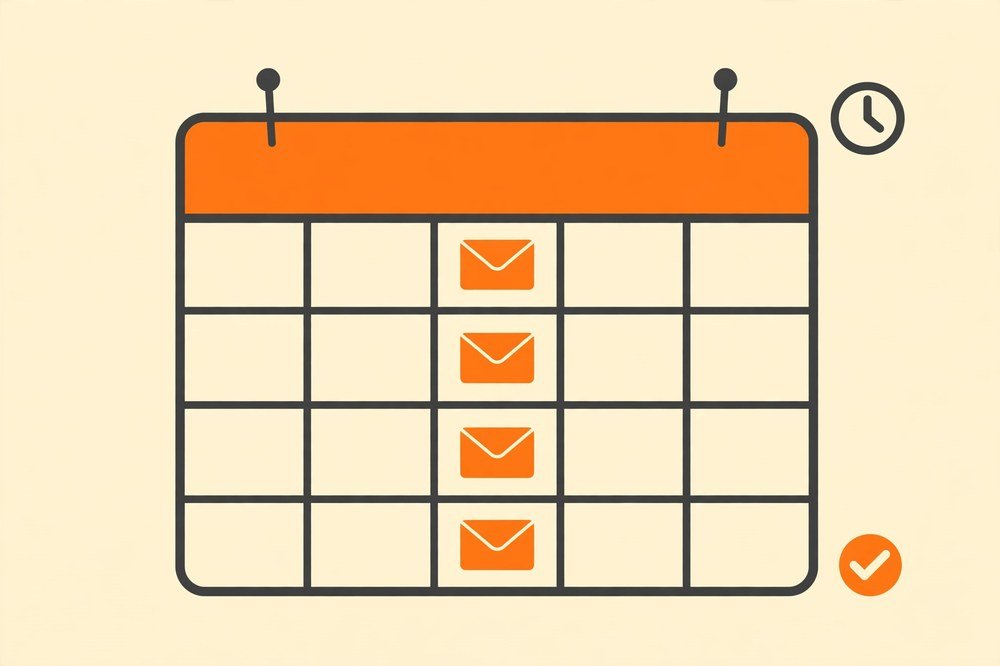
Consistency beats frequency, full stop. A weekly email that arrives like clockwork builds an appointment in the reader’s head. A monthly email that drifts builds nothing. Three emails one week followed by silence for a month teaches your readers that your emails are unreliable — the fastest route to the delete button.
Pick the cadence you can sustain on your worst week, then defend it. For most bloggers, that is once a week, on the same day, at roughly the same time. If once a fortnight is what you can honestly keep, choose fortnightly and keep it for a year — a fortnightly newsletter that always arrives beats a weekly one that appears when you feel like it.
Plan your issues the way you plan your posts. Our guide on how to build a blog content calendar works just as well for newsletters: one row per issue, one idea per row. And if you are short of ideas, our guide on how to come up with blog post ideas will fill the list — every post idea is a newsletter idea too.
When life gets in the way — and it will — send a short, honest note instead of skipping silently. Readers forgive a short email. They do not forgive disappearing.
6. Make Replying Easy (and Answer When They Do)
The most underrated metric in newsletters is not the open rate. It is the reply rate. Ask a real question in every issue — not “let me know what you think”, but something specific enough to answer in one sentence: “Which of these three subject lines would you open?” Then answer every reply, at least for the first few months.
Those replies do three things at once: they teach you what your readers actually care about, they tell email providers your mail is wanted, and they turn subscribers into people you know by name. A newsletter with replies is a conversation. A newsletter without them is a broadcast. Conversations get opened. Broadcasts get filtered.
7. Clean Your List Without Guilt
Here is the part nobody tells new bloggers: a smaller list that opens is worth far more than a big list that does not. Every six months, look at who has not opened anything in three months and send them one honest email: “I noticed you have not opened my emails in a while. No hard feelings — shall I stop sending them?” Some will come back. Most will not reply, and you remove them.
Your open rate jumps, your emails land in inboxes instead of spam folders, and you stop writing for ghosts. This is not losing subscribers. It is finding out who your real audience is.
8. Measure Clicks and Replies, Not Just Opens
One uncomfortable update: open rates have become unreliable. Privacy features in email apps now load tracking images automatically, so an “open” may mean nothing more than a mail app doing its job. Chasing open rate as your main number is chasing a number that lies.
Watch these instead: click rate — did anyone click the one link that mattered? Reply rate — even two or three replies per issue is healthy for a small list. Unsubscribe rate — a few after every issue is normal; a sudden spike means one issue missed the mark. Growth rate — are new subscribers arriving faster than old ones leave? Check these numbers once a month, not after every send. Our guide on blogging consistency makes the same point about stats in general: look properly, learn one thing, then close the tab.
Frequently Asked Questions
How often should I send my blog newsletter?
Once a week is the sweet spot for most bloggers: frequent enough to build a habit, rare enough to stay sustainable. If you cannot keep a weekly rhythm honestly, send fortnightly — a fortnightly newsletter that always arrives beats a weekly one that appears at random. What matters is the pattern, not the frequency.
What should I put in a blog newsletter?
One idea, one usable takeaway and one link. That is the whole recipe. Add a short personal note if it serves the idea, and a question your readers can answer in one sentence. Avoid stuffing in everything you published since the last issue — a newsletter is not a table of contents.
How long should a newsletter be?
Between 200 and 600 words for most blog newsletters. Long enough to say one thing properly, short enough to read in three minutes. If your issue keeps growing past 600 words, split it — the second half is next week’s issue, already half-written.
Why is my newsletter open rate so low?
The most common reason is not the subject line: it is that the last few emails taught readers not to bother, because they were long, inconsistent or mostly self-promotion. Fix the pattern first — one clear job, a recognisable structure, a schedule you keep — and the open rate follows. Also remember that open rates are inflated by privacy features in modern email apps, so judge your newsletter by clicks and replies instead.
Final Thoughts
Nobody opens a newsletter because of a trick. They open it because the last few emails proved it was worth three minutes of their day — one clear idea, one honest promise kept, one email that arrived when it was supposed to.
So pick one job for your newsletter, write it to one real reader, keep the structure steady and the schedule honest, and send the first issue this week. It will not be perfect. It does not need to be.
Start there, and the opens will follow.