





Sydney Opera House: Australia’s Architectural Masterpiece
The Sydney Opera House is one of the world’s most recognizable landmarks and a symbol of Australia’s creativity, culture, and innovation. Located on Bennelong Point in Sydney Harbour, this iconic building attracts millions of visitors every year. Its distinctive sail-shaped design has made it one of the most photographed buildings in the world and a masterpiece of modern architecture. Whether you are interested in history, architecture, music, or travel, the Sydney Opera House offers an unforgettable experience.
Since opening in 1973, the Sydney Opera House has become a center for performing arts, hosting thousands of events annually. It welcomes visitors from across the globe who come to enjoy concerts, theatrical performances, guided tours, and breathtaking views of Sydney Harbour. Today, it stands as one of Australia’s greatest cultural treasures and an internationally recognized UNESCO World Heritage Site.
History of the Sydney Opera House
The idea of building a world-class performing arts venue in Sydney emerged during the late 1940s. An international design competition was launched in 1956, attracting over 230 entries from architects worldwide. Danish architect Jørn Utzon won the competition with his revolutionary sail-inspired design.
Construction began in 1959 but proved to be far more complex than expected. Engineers had to develop new construction techniques to bring Utzon’s unique vision to life. The project experienced delays, political disagreements, and rising costs. In 1966, Utzon resigned before the building was completed due to conflicts with the government.
Despite these challenges, construction continued under a different architectural team, and the Sydney Opera House officially opened on October 20, 1973, by Queen Elizabeth II. Although the project took longer and cost much more than originally planned, it became one of the greatest architectural achievements of the twentieth century.
Unique Architecture and Design
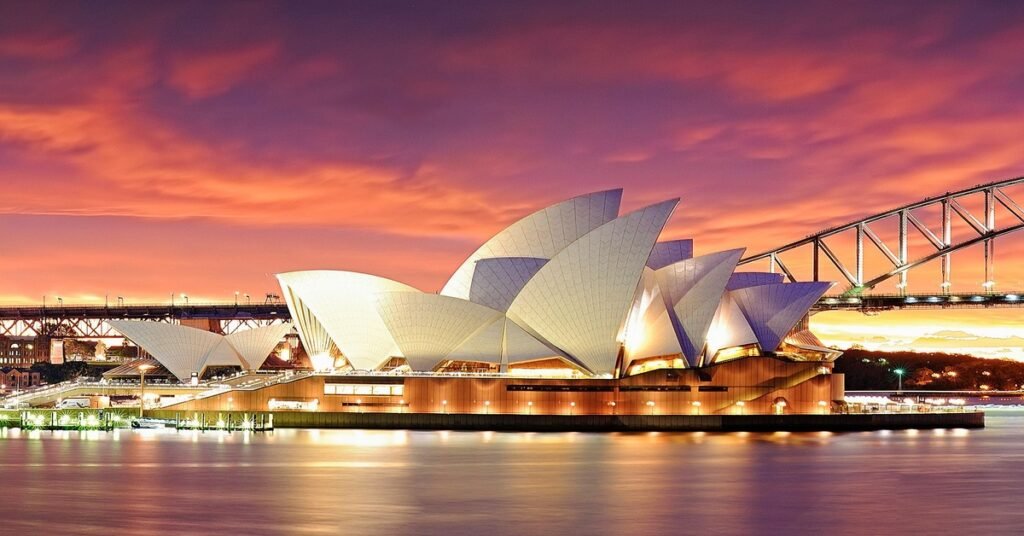
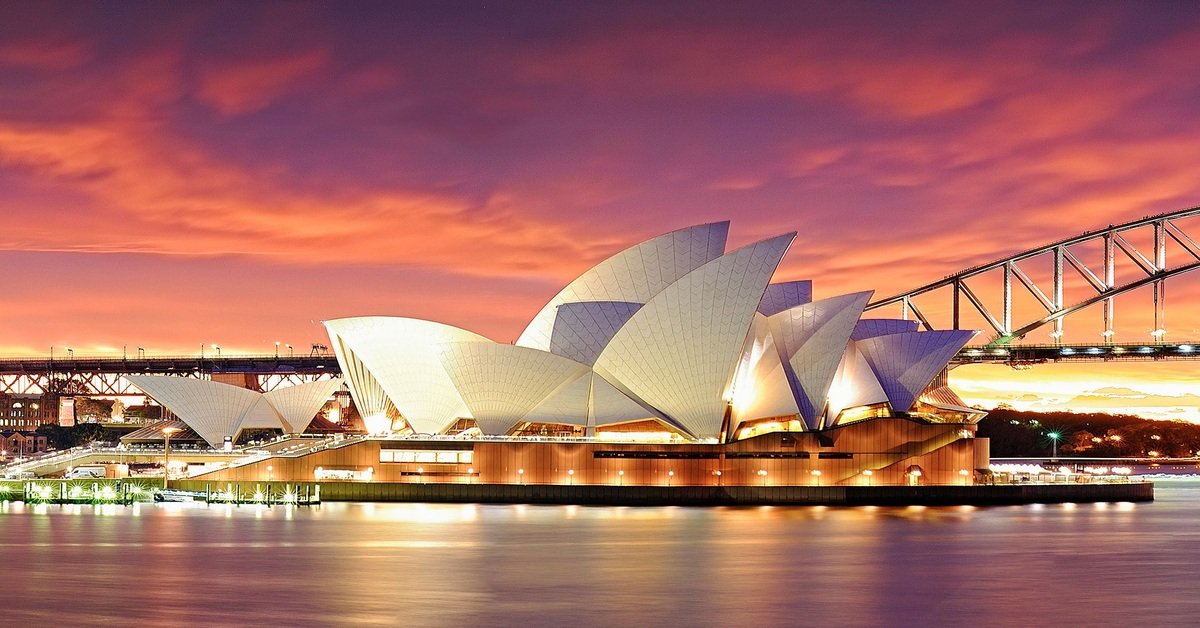
The Sydney Opera House is celebrated for its extraordinary design. Its roof consists of a series of shell-like structures that resemble the sails of ships sailing through Sydney Harbour. This innovative concept was unlike anything seen before and pushed the boundaries of engineering and architecture.
The building covers approximately 4.4 acres and contains over one million roof tiles imported from Sweden. These tiles create the building’s distinctive white appearance while helping reflect sunlight beautifully throughout the day.
The Opera House is supported by thousands of concrete sections and advanced engineering systems that ensure stability despite its unique shape. The building’s design perfectly complements the surrounding harbour, making it an architectural icon admired around the world.
Location and Scenic Beauty
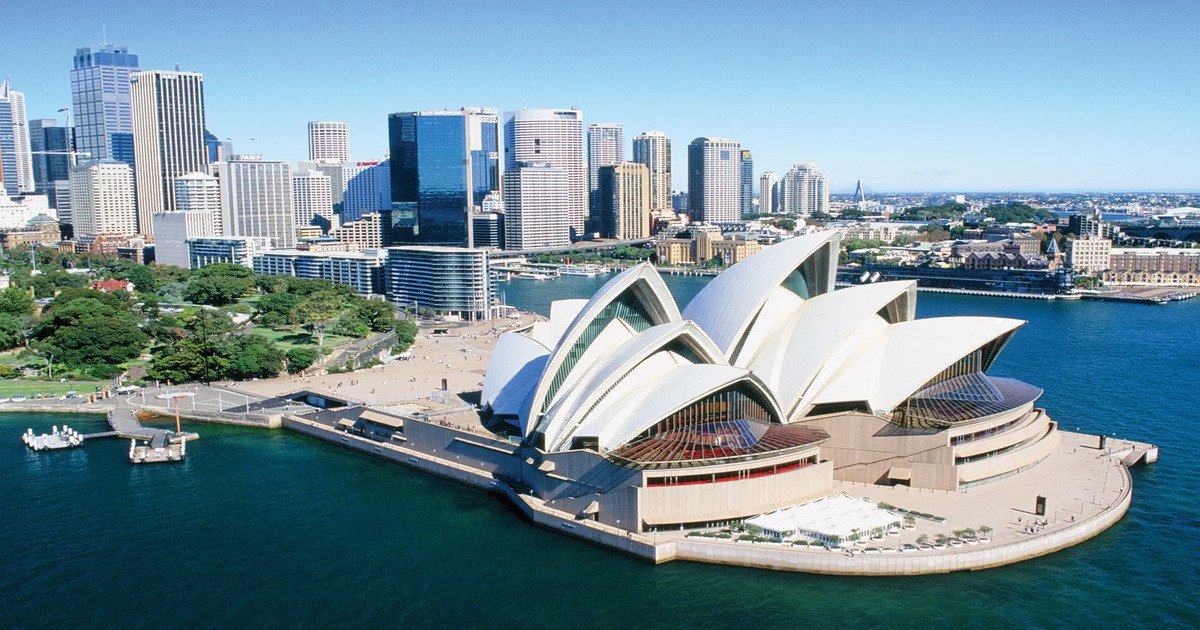
Situated on Bennelong Point, the Sydney Opera House enjoys one of the most spectacular locations in Australia. It is surrounded by Sydney Harbour, offering panoramic views of the Sydney Harbour Bridge, sparkling waters, and the city’s skyline.
Visitors can walk around the waterfront, enjoy nearby parks, or take a ferry to appreciate the Opera House from different perspectives. During sunrise and sunset, the building becomes even more beautiful as changing light reflects off its white sails.
The surrounding area also features restaurants, cafes, gardens, and walking paths, making it one of Sydney’s most popular tourist destinations.
Performing Arts and Entertainment
The Sydney Opera House is much more than a beautiful building. It serves as Australia’s leading performing arts center and hosts more than 1,500 performances every year.
Its venues accommodate a wide variety of events, including:
- Opera performances
- Classical music concerts
- Ballet productions
- Theatre performances
- Contemporary music concerts
- Comedy shows
- Dance performances
- Educational programs
Artists from around the world perform at the Opera House, making it an important destination for both local and international audiences. It also supports Australian artists by providing a world-class venue for showcasing their talents.
Interior Facilities
Inside the Sydney Opera House are several impressive performance venues designed for different types of events.
The Concert Hall is the largest venue and features excellent acoustics for orchestral performances and major concerts. The Joan Sutherland Theatre is home to opera and ballet productions, while the Drama Theatre hosts plays and smaller theatrical performances.
Additional spaces include rehearsal studios, exhibition areas, restaurants, cafes, bars, retail shops, and event venues. Visitors can also participate in guided tours that explore the building’s history, architecture, and backstage areas.
The recent renovations have further improved accessibility, technology, and visitor comfort while preserving the building’s historic character.
UNESCO World Heritage Status
In 2007, the Sydney Opera House was designated a UNESCO World Heritage Site. This recognition highlights its exceptional architectural value and cultural significance.
UNESCO described the Opera House as one of the great architectural works of the twentieth century, praising its innovative design and influence on modern architecture worldwide.
Its World Heritage status helps ensure that future generations can continue to appreciate and preserve this remarkable landmark.
Tourism and Visitor Experience
Millions of tourists visit the Sydney Opera House every year. Many choose guided tours that explain the building’s fascinating history, architectural innovations, and behind-the-scenes operations.
Visitors can enjoy live performances, dine at waterfront restaurants, explore nearby attractions, or simply relax while taking in the breathtaking harbour views.
Photography enthusiasts especially appreciate the Opera House because it offers spectacular photo opportunities from locations such as Circular Quay, Mrs Macquarie’s Chair, and Sydney Harbour cruises.
The Opera House also hosts seasonal festivals, outdoor events, and cultural celebrations throughout the year, ensuring there is always something exciting happening.
Sustainability and Modern Improvements
The Sydney Opera House has embraced sustainability through numerous environmental initiatives. Energy-efficient lighting, water conservation systems, waste reduction programs, and renewable energy projects help reduce its environmental impact.
Recent restoration work has modernized facilities while carefully preserving the building’s original architectural vision. Accessibility improvements have made it easier for people of all abilities to enjoy performances and tours.
These ongoing upgrades ensure that the Opera House remains both historically significant and environmentally responsible.
Interesting Facts About the Sydney Opera House
- The building officially opened in 1973.
- It is one of the most recognizable buildings in the world.
- More than eight million people visit the site annually.
- Over one million roof tiles cover its famous shells.
- It contains multiple performance venues under one roof.
- It has hosted thousands of concerts, operas, and cultural events.
- It became a UNESCO World Heritage Site in 2007.
- The Concert Hall contains one of the world’s largest mechanical pipe organs.
- The Opera House is illuminated during major festivals such as Vivid Sydney.
Best Time to Visit
The Sydney Opera House can be visited throughout the year. Spring (September to November) and autumn (March to May) offer pleasant weather and comfortable temperatures for sightseeing.
Evening visits are especially popular because the illuminated building creates a magical atmosphere. During the annual Vivid Sydney festival, colorful light projections transform the Opera House into an extraordinary visual spectacle.
Booking performance tickets or guided tours in advance is recommended, especially during holiday seasons.
Conclusion
The Sydney Opera House represents far more than an architectural masterpiece—it is a symbol of creativity, culture, and Australia’s national identity. Its remarkable design, fascinating history, vibrant performing arts scene, and stunning harbour location make it one of the world’s greatest landmarks.
Whether you are attending a world-class performance, exploring its architectural beauty, or simply admiring it from Sydney Harbour, the Sydney Opera House offers an unforgettable experience. It continues to inspire architects, artists, travelers, and visitors from around the globe, securing its place as one of the most celebrated cultural icons of the modern world.