





Paraphrasing Tool: How to Rewrite Text in Your Own Words

Every blogger knows the feeling. You’ve written a paragraph, you read it back, and it sounds flat. Or clunky. Or — worst of all — suspiciously like the article you were reading ten minutes ago. So you sit there swapping a word here and a word there, and somehow the new version is worse than the one you started with.
Paraphrasing is the skill that fixes that. Put simply, paraphrasing means restating an idea in your own words and your own sentence structure: the meaning stays, the expression changes. A paraphrasing tool does the mechanical part of that job for you. You paste in a piece of text, and it hands back a rewritten version with different wording and a different structure. Used well, it’s a handy drafting assistant. Used badly, it’s a synonym machine that churns out mush — and this guide is about staying firmly on the right side of that line.
If you’d like to follow along with a real example in front of you, our free Paraphrasing Tool rewrites text right in your browser, with no sign-up. The rest of this article explains how paraphrasing actually works, how to get results you’d genuinely publish, and where the honest limits of any tool are.
What Paraphrasing Actually Is (and What It Isn’t)
Here’s the test I use. Cover the original text with your hand and explain the idea out loud, as if a reader had just asked you about it. Whatever comes out of your mouth — that’s a paraphrase. The order of the points changes. Sentences get split or joined. The voice becomes yours, because you’re thinking about the meaning instead of staring at somebody else’s wording.
Word-swapping is not paraphrasing. If your new sentence lines up almost word-for-word against the old one, with a few synonyms dropped into the same slots, you haven’t rewritten anything. You’ve photocopied it and changed the ink. Real paraphrasing restructures: it might turn one long sentence into two short ones, start with the conclusion instead of the build-up, or swap an abstract explanation for a concrete example. The skeleton changes, not just the skin.
That distinction matters more than it might seem. Everything else in this guide — the ethics, the SEO side, whether a tool helps or harms you — hangs on whether you’re genuinely restating an idea or just disguising a copy.

Paraphrasing vs Summarising vs Quoting
These three get mixed up constantly, even by experienced writers, so it’s worth pinning them down.
| Approach | What it does | Length vs original | Use it when |
|---|---|---|---|
| Paraphrasing | Restates an idea in your own words and structure | Roughly the same | You want to explain something in your blog’s own voice |
| Summarising | Condenses a text down to its main points only | Much shorter | You’re covering a long report, study or article briefly |
| Quoting | Uses the author’s exact words, inside quotation marks | Exactly the same | The original wording matters, or the source is an authority |
The practical difference: a paraphrase keeps the detail, a summary throws most of the detail away, and a quote keeps everything including the words. If your real problem is that a source document is simply too long to work through, condensing is the job you actually need — our Text Summarizer is built for exactly that. If the length is fine but the wording is the problem, you’re paraphrasing.
The Honest Bit: Paraphrasing Is Not a Plagiarism Eraser
Let’s say this plainly, because plenty of tool websites won’t. If you take somebody else’s article, run it through a paraphrasing tool and publish the result as your own work, that is plagiarism. Changing the words doesn’t change where the ideas, the structure and the work came from. A tool can’t transfer ownership, and no rewrite — however thorough — turns another writer’s post into yours.
The same goes for students and clients, by the way. If the idea came from somewhere, the source deserves credit: a link, a mention, a citation. That isn’t just politeness. Naming your sources makes your own content more trustworthy, and readers can smell the difference between a blogger who engages with sources and one who quietly launders them.
So what is paraphrasing actually for? Three honest jobs. Rewriting your own drafts, where you own every word already. Making difficult text easier to understand, then explaining it in your own words with the source credited. And avoiding clumsy repetition when you need to say a similar thing in several places. Everything in the next section sits inside those boundaries.
When Bloggers Legitimately Use a Paraphrasing Tool
Within those limits, a paraphrasing tool earns its keep more often than you’d expect:
- Refreshing old posts. Your 2023 article says the right things in a voice you’ve outgrown. Rewriting whole sections is exactly the job — and it’s one of the core steps when you update old blog posts for SEO.
- Product descriptions. Suppliers send the same description to every shop that stocks an item. If you sell or review products, rewriting that copy into your own words is standard, sensible practice.
- Social captions. Turning a post’s key paragraph into three captions without repeating yourself word for word is tedious by hand and quick with a tool as a starting point.
- Simplifying research. Dense reports and documentation often need translating into plain language your readers will actually finish. A rewrite gives you a first pass to work from — with the source linked, obviously.
- Newsletters and updates. Reusing your own post content in an email without sending subscribers a copy-paste of something they’ve already read.
How to Paraphrase Properly by Hand
The tool is quicker, but learning the manual method is what teaches you to spot a bad rewrite. It takes about a minute per paragraph:
- Read the passage until you understand the point — not the wording, the actual idea underneath it. If you can’t explain it, you’re not ready to rewrite it.
- Look away. Close the tab, scroll past it, cover it with a sticky note. This step feels silly and is the whole secret.
- Write the idea from meaning, the way you’d explain it to your reader, in your blog’s voice.
- Compare the two versions. Has the meaning survived intact? Does the structure genuinely differ, or did your memory quietly reproduce the original sentence shape?
- Credit the source if the idea isn’t originally yours — a link or a named mention does the job.
How to Use the Free Paraphrasing Tool
The workflow is short, and the last step is the one people skip:
- Copy the passage you want to rewrite — your own draft, or text you have every right to use.
- Paste it into the Paraphrasing Tool and run the rewrite.
- Read the output next to the original, slowly. Check every fact, name and number.
- Edit the result in your own voice before it goes anywhere near your blog.
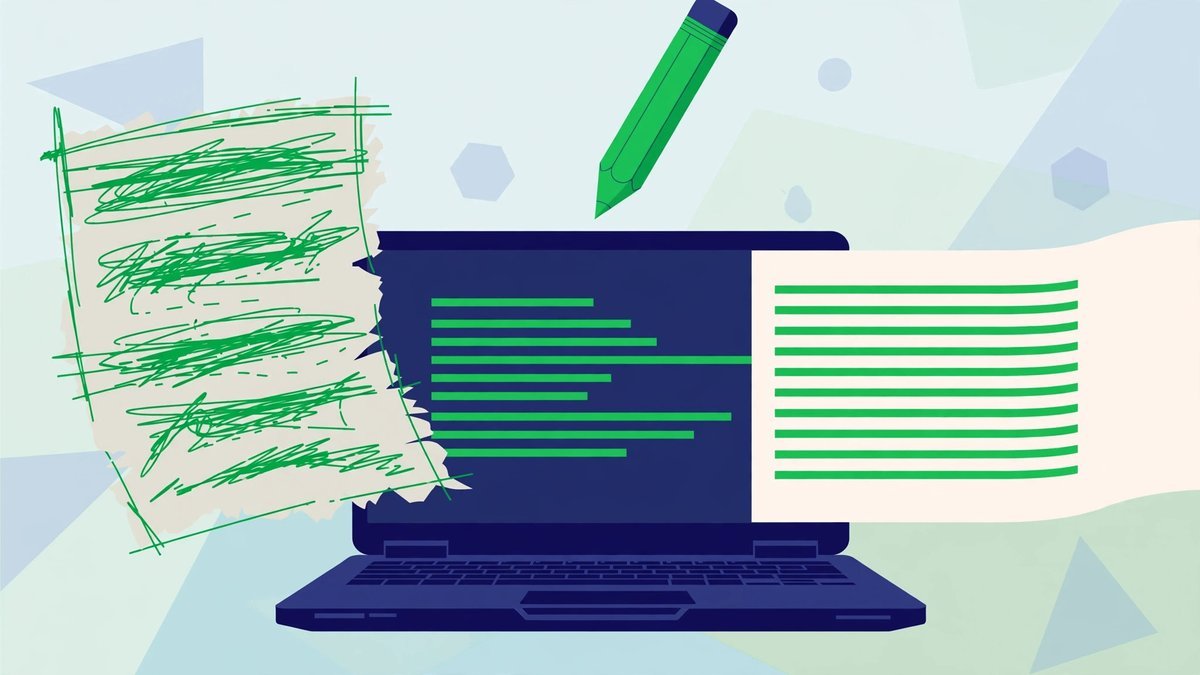
Why the fuss about steps 3 and 4? Because tools garble things. They swap in a synonym that’s slightly wrong, move a date, soften a claim into something you never said, or turn a specific, lively sentence into grey porridge. A tool doesn’t know your reader, your niche or your opinions. Treat its output the way you’d treat a first draft from an enthusiastic intern: useful raw material, never the finished piece. If a rewrite still reads stiff and mechanical after your edits, our AI Text Humanizer can loosen it up before you do a final pass yourself.
Two Worked Examples: Good Paraphrase vs Word-Swapping
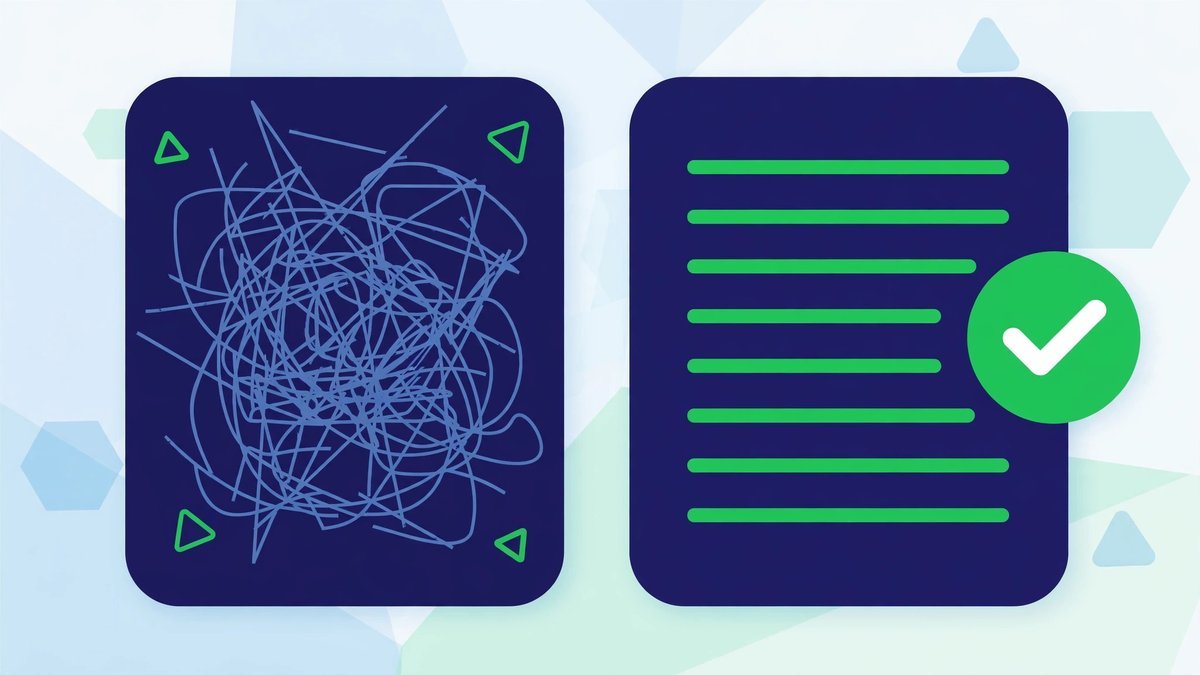
The good one: structure changes, meaning stays
Original: “Search engines reward websites that publish content regularly, because frequent updates signal that a site is active and maintained.”
Paraphrase: “Post often, and Google notices. A site that keeps publishing looks alive and looked-after — and search engines treat it that way.”
The points survived, but almost nothing else did. The original explains first and concludes second; the paraphrase flips that order, splits one sentence into two, and trades the formal tone for a conversational one. That’s restating an idea, not redecorating it.
The bad one: same sentence, new synonyms
Original: “Email marketing remains one of the most effective ways for small businesses to reach customers directly.”
“Paraphrase”: “Email marketing stays one of the most efficient methods for small companies to reach clients directly.”
Line the two up and every word maps neatly onto a replacement: remains→stays, effective→efficient, businesses→companies. The skeleton is identical. This is the disguised-copy trap from earlier in the article, and it’s the single most common output you get when a tool does all the work and a human does none of the checking.
Common Mistakes Bloggers Make with Paraphrasing
- Swapping synonyms and calling it done. If the sentence structure survives untouched, so does the problem.
- Paraphrasing text you don’t understand. You can’t restate an idea you haven’t grasped, and a tool will happily produce confident nonsense from it.
- Forgetting the credit. The idea came from somewhere. Link it. Your readers will trust you more, not less.
- Feeding in a whole article. Work paragraph by paragraph. Long inputs come back flatter and drift further from the original meaning.
- Publishing the output unread. Read it aloud once. Your ears catch the robotic bits your eyes skimmed over.
- Rewriting someone else’s post to “make it yours”. Covered above, worth repeating: it doesn’t work that way, legally or ethically.
Frequently Asked Questions
What does a paraphrasing tool do?
You paste in a piece of text and the tool rewrites it with different wording and sentence structure, keeping the original meaning. It’s a drafting aid: the output still needs a human read-through and edit before it’s fit to publish.
Is using a paraphrasing tool plagiarism?
It depends entirely on whose text you started with. Rewriting your own drafts is fine. Running somebody else’s work through a tool and publishing it as yours is plagiarism, however different the words look — and the original source should always be credited for its ideas.
What is the difference between paraphrasing and summarising?
A paraphrase keeps roughly the same length and detail but changes the words and structure. A summary keeps only the main points and is much shorter than the original. Paraphrase when the wording is the problem; summarise when the length is.
Is a free paraphrasing tool good enough for blog content?
For short passages, captions, descriptions and drafts of your own posts, yes — provided you edit the output properly. For anything long or important, treat the tool as a starting point and expect to do real rewriting yourself.
Does paraphrased content rank on Google?
Google ranks content that genuinely helps readers, whoever or whatever helped draft it. Thin rewrites of other people’s articles add nothing new and tend to go nowhere. Your own ideas, properly rewritten in your own voice and structure, are simply good content — and that’s what ranks.
Final Thoughts
Paraphrasing is a writing skill first and a tool feature second. Learn to restate ideas in your own words and structure, credit the people whose ideas you build on, and any paraphrasing tool becomes what it should be: a shortcut for the mechanical part, not a substitute for the thinking part. Start with a clumsy paragraph from one of your own drafts, run it through the free Paraphrasing Tool, and then do the part that actually matters — read it, fix it, and make it sound like you.


