



Display Ads on a Small Blog: When They Help and When They Hurt
You have probably seen the same screenshots every new blogger sees: a dashboard showing a few hundred pounds a month from display ads, posted next to a caption about "passive income". It looks easy. You add a bit of code to your blog, adverts appear, and money trickles in while you sleep.
The reality is less tidy, and it matters more than most guides admit. Display ads are the oldest way to earn from a blog, and for some blogs they are exactly right. For others — especially small ones — they cost more than they pay. They slow your pages down, they change how readers see you, and at low traffic levels the money is often so small it barely covers a takeaway.
This guide gives you the honest version. No screenshots of other people’s dashboards, no promises about what you will earn. Just what display ads actually are, how the money works, when they help a small blog, when they hurt, and how to add them properly if you decide they are right for you.
What Are Display Ads on a Blog?
Display ads are the banner and box adverts that appear on a blog — the rectangle in the sidebar, the banner between paragraphs, the sticky unit at the bottom of a phone screen. An advertiser pays to show their message to your readers, and you get a share of that payment.
You do not usually sell the space yourself. Instead, you join an ad network, add its code to your site, and the network runs auctions for each ad slot in real time. When a reader loads your page, advertisers bid for that impression, the highest bid wins, and the advert shows. You are paid per thousand impressions (RPM) or per click, depending on the setup.
The important thing to understand is that you are renting out attention. Every ad slot is space your reader’s eyes could have spent on your content, your email signup, or your own product. That trade is worth making sometimes. It is worth questioning always.
How Much Money Do Display Ads Really Make on a Small Blog?
This is the question every guide dances around, so here is the straight answer: at low traffic, very little. Display ad income scales almost directly with page views, and the multiplier is small. A blog getting a few thousand page views a month will earn an amount that covers hosting and little else. A blog getting tens of thousands a month earns a modest side income. It only becomes serious money in the hundreds of thousands of page views.
Your niche matters enormously too. Advertisers pay far more to reach people shopping for insurance, finance or legal help than to reach people reading about lifestyle or gaming. Two blogs with identical traffic can earn very different amounts simply because of what they write about.

There is also the question of who keeps what. Google AdSense, the network most small blogs start with, pays publishers 80% of the revenue after the advertiser platform’s fee — roughly 68% of what advertisers spend through Google Ads. Premium networks that manage your ads for you typically keep 10–30% of the revenue, but they usually earn more per impression in return, because they run better auctions and sell more of your space.
None of this means display ads are a bad idea. It means you should go in with your eyes open. If someone tells you a blog with 500 monthly visitors is earning a living from ads, they are selling you something.
When Display Ads Help a Small Blog
Ads are not always a mistake. There are three situations where they genuinely make sense for a small blog.
1. You want the blog to pay for itself. Hosting, a domain and a few tools cost real money every year. If your blog is a hobby and you would like it to break even, display ads are the simplest way to do that. A small, unobtrusive setup can cover your running costs without turning your site into a billboard. Nobody reasonable will judge you for it.
2. You have real traffic and nothing else to sell. If your blog gets tens of thousands of monthly page views and you genuinely have no product, service or affiliate offer that fits, ads are the correct way to earn. That is the situation they were built for. A recipe blog or a news-style blog with no natural product is a classic example — the traffic is the product.
3. You are learning how online advertising works. Running ads teaches you things no guide can: how header bidding behaves, what viewability means, why some placements earn ten times more than others. If you plan to work in digital marketing or sell ad services one day, that first-hand experience is worth more than the money itself.
If one of these fits, ads are a reasonable choice. If none of them fits, keep reading.
When Display Ads Hurt a Small Blog
Now the other side — the costs that rarely appear in the income screenshots.
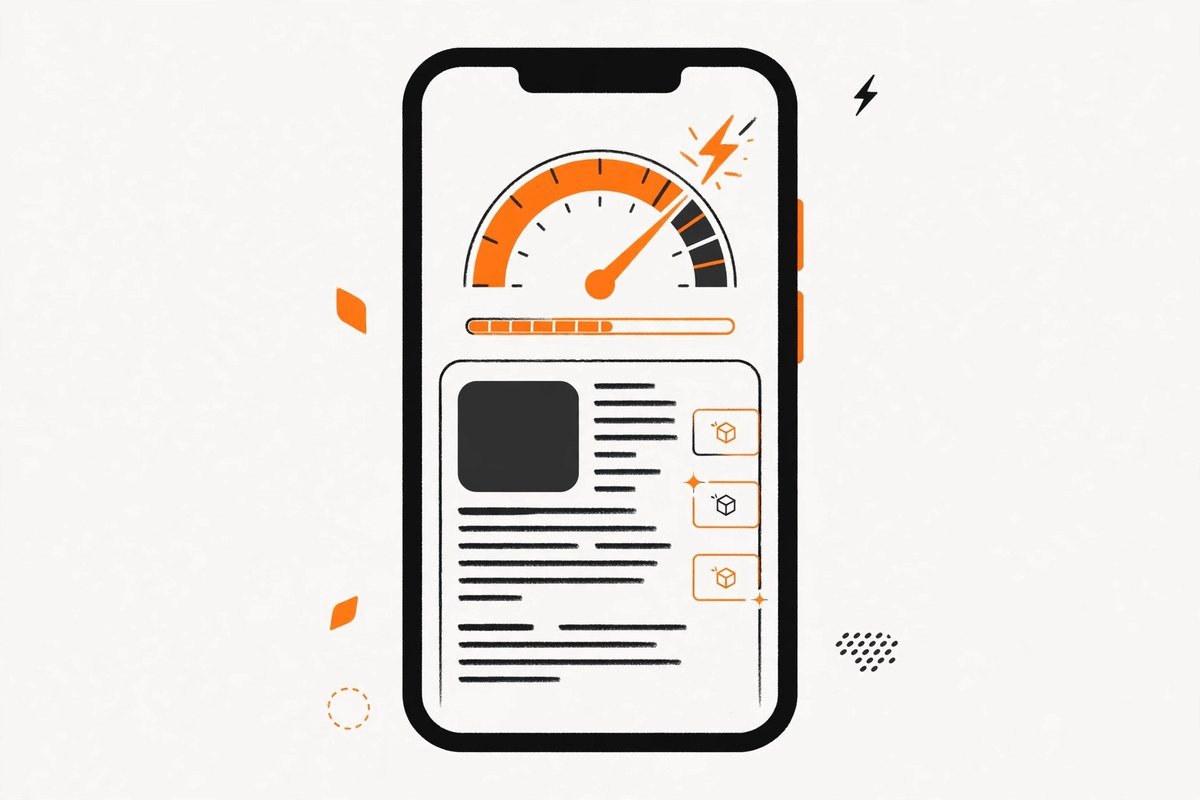
They slow your site down. This is the biggest cost, and it is not a small one. Ad scripts are among the heaviest things a blog loads. They arrive late, they shift your layout around as they render, and they drag down the Core Web Vitals scores Google uses to judge user experience. Some bloggers who measure carefully find that adding a standard ad setup roughly doubles how long their pages take to become interactive on a phone. Slow pages lose readers before the ads ever get seen, and they can quietly hold back your rankings too. If your site is already slow, our blog SEO audit checklist will help you find what is holding it back before you add anything heavy to it.
They change how readers see you. If you sell services, coaching or freelance work, adverts change the signal your site sends. A consultant whose case study sits next to an advert for a mattress company looks like a hobbyist, not a professional. One client won from a clean, credible blog is worth more than a year of display revenue at small-blog traffic levels.
You lose control of what appears. You do not choose which adverts show. Networks filter for quality, but bloggers regularly find adverts for competitors, products they would never recommend, or offers that clash with what they just wrote. Your reader cannot tell that you did not pick the advert.
They distract from better income. Every ad slot is also a slot that could have held an affiliate link to a tool you trust, a banner for your own digital product, or a signup form for your email list. At low traffic, those alternatives usually earn more per reader than display ads do — and they build an asset you own, instead of renting your readers’ attention to strangers.
Which Ad Network Fits Your Blog? The Traffic Ladder
Ad networks are not one-size-fits-all. Each has an entry requirement, and the sensible move is to join the best one that will accept you today, then move up as your traffic grows. Requirements change — networks have raised and lowered their bars several times in the last two years — so check the current requirements page before you apply. The figures below reflect what the networks published in late 2026.
| Network | Entry requirement | Who it suits |
|---|---|---|
| Google AdSense | No traffic minimum; original content, policy compliance, aged 18+ | Any new blog |
| Journey by Mediavine | Around 1,000–5,000 monthly sessions from Tier 1 countries (US, UK, Canada, Australia) | Growing blogs with English-speaking readers |
| Monumetric Propel | Around 10,000 monthly page views | Small blogs wanting a managed setup |
| Raptive | 25,000 monthly page views, mostly from Tier 1 countries | Established lifestyle, food and home blogs |
| Mediavine | Around $5,000 a year in existing ad revenue | Established content sites |
| Ezoic | 250,000 monthly users (or a limited Incubator programme) | Large sites |
Most small bloggers start with Google AdSense because it has no traffic minimum. It is self-service: you add Google’s code, choose your placements or let Google automate them, and Google sells the space. The earnings per impression are lower than premium networks, but at low traffic that barely matters — what matters is that you can start, learn, and switch later.
The upgrade path matters more than the starting point. Moving from AdSense to a premium network at 25,000 or 50,000 monthly page views can noticeably raise what you earn from the same traffic, because premium networks run better auctions. Do not apply before you clearly meet the threshold, though — a rejection wastes weeks, and some networks ask you to wait before reapplying.
How to Add Display Ads Without Wrecking Your Blog
If you decide ads are right for you, how you place them decides whether they help or hurt. A few rules that experienced publishers follow:
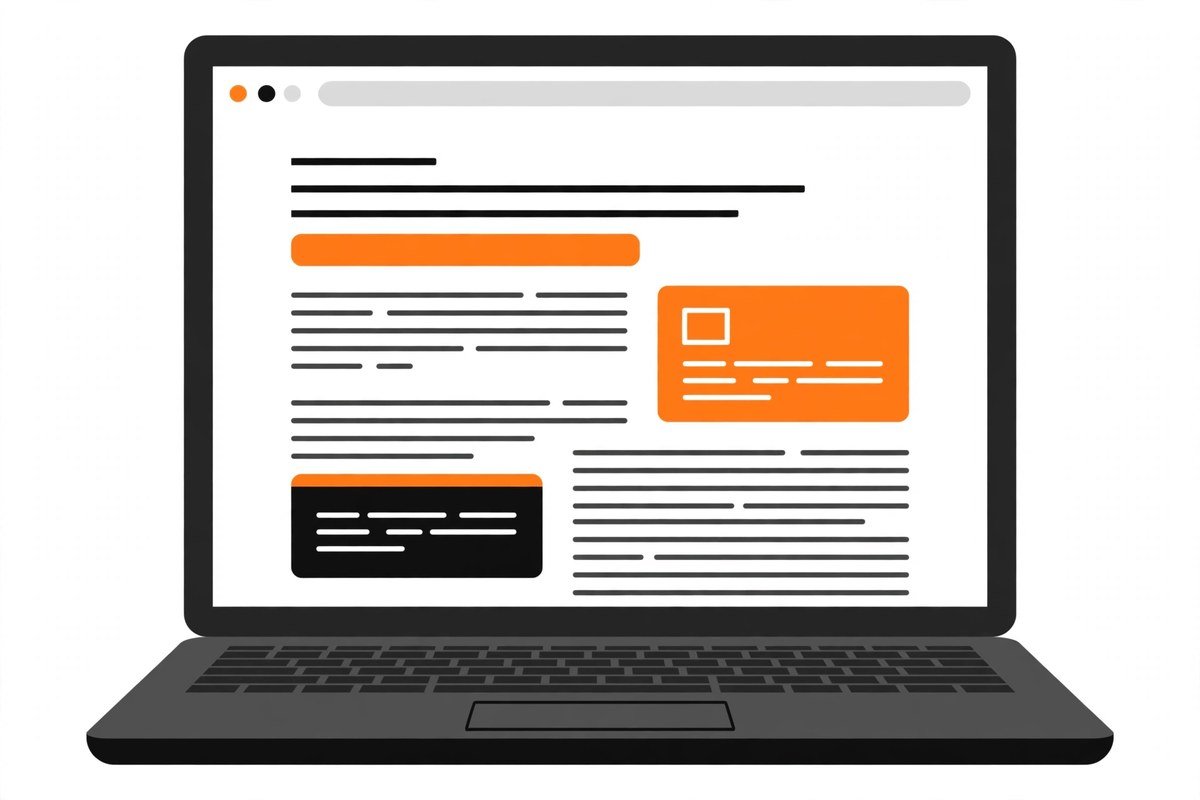
Keep the top of the page clean. Adverts above the fold carry the highest speed risk. When an advert loads before or alongside your main content, it can become the largest element on the page and slow down the measurement Google cares about. Limit this area to a single lightweight unit placed after your headline or first paragraph — never a stack of adverts before the reader has seen a word you wrote.
Put the best adverts where readers are already engaged. In-content adverts — the ones that appear between paragraphs after a reader has started scrolling — usually earn the most per placement, because they appear to people who are actually reading. Space them generously, roughly every four to six paragraphs, and stop before the final stretch of the post.
Lazy-load your adverts. Lazy loading means an advert only loads when the reader is about to scroll to it, instead of loading every advert the moment the page opens. This cuts initial page weight, speeds up loading, and usually costs you little or no revenue, because adverts below the fold were never going to be seen by readers who bounce early anyway. Most modern ad setups support this — turn it on.
Watch your layout shift. Every advert slot should have a fixed space reserved for it before the advert loads. If the page jumps around as adverts appear, readers lose their place, your layout-shift score suffers, and some readers will simply leave. This is one of the easiest wins in ad setup, and one of the most commonly skipped. Optimising your images helps here too — see our guide to image SEO for blogs for file names, alt text and faster pages.
Test your speed before and after. Run a speed test on a few of your most popular posts before you add ads, then again a week after. If your mobile scores fall sharply, reduce the number of adverts or move them further down the page. Your rankings and your readers are worth more than a marginal increase in ad income.
Display Ads vs Other Ways to Earn From a Blog
Display ads are the most passive income a blog can earn, but they are also the lowest-earning per reader. Before you commit your layout to them, it is worth comparing the alternatives honestly.
Affiliate marketing usually earns more per reader at small traffic levels, because you are recommending a specific product to a reader who already trusts you, instead of showing a generic advert to everyone. It takes more work — you have to write genuinely helpful recommendations — but the return is higher. Our beginner’s guide to affiliate marketing for bloggers walks through how to start without sounding like a salesperson.
Digital products earn more again, because you keep nearly all of the price. A short guide, a template pack or a checklist can sell for the same amount as hundreds of ad impressions. You do not need a big audience to start — you need a small audience with a specific problem. See our guide to digital products bloggers can sell before they have a big audience.
Sponsored posts sit somewhere in the middle: a brand pays you a flat fee to feature them, which can beat months of ad revenue from a single post. The trade-off is time — finding brands, negotiating, and writing the post — plus the need to price yourself fairly. Our guide to pricing sponsored posts as a small blogger will help you avoid underselling yourself.
The honest summary: if your blog has traffic but no offer, use ads. If your blog has trust but little traffic, use affiliate links or a small product first, and add ads later when the traffic catches up.
A Simple Decision Checklist
Still unsure? Answer these five questions honestly, and the answer usually becomes clear.
1. Does my blog get at least 10,000 monthly page views? Below that, ad income is so small that the speed and trust costs usually outweigh it.
2. Do I sell anything — a service, a product, a course? If yes, a clean site that wins clients will earn more than adverts.
3. Is my site already fast on mobile? If it is slow now, ads will make it slower. Fix speed first.
4. Would my readers be surprised or put off by adverts? A professional audience notices. A casual hobby audience mostly ignores them.
5. Am I adding ads because the blog needs income, or because everyone says I should? Only the first reason is a good one.
If you answered yes to the first question and no to the second, ads are probably worth trying. If you answered yes to the second, skip the ads for now and build the offer first.
Frequently Asked Questions
How many page views do I need to make money from display ads?
There is no official minimum — Google AdSense will accept a blog with almost no traffic — but the income only becomes meaningful at scale. Below around 10,000 monthly page views, most small blogs earn very little, often just a few pounds a month. The realistic point where display ads start to feel worth the trade-offs is tens of thousands of monthly page views, and they only become a serious income in the hundreds of thousands.
Is Google AdSense worth it for a small blog?
Yes, as a starting point. AdSense has no traffic minimum, it is free to join, and it teaches you how display advertising works. Its earnings per impression are lower than premium networks, but for a small blog the difference is small in absolute terms. Treat AdSense as the first rung of the ladder, and plan to move to a premium network such as Journey by Mediavine or Raptive once your traffic qualifies.
Do display ads hurt SEO?
Display ads do not hurt SEO directly — Google does not penalise a page simply for showing adverts. But they hurt SEO indirectly, because heavy ad scripts slow pages down, increase layout shift, and can push your Core Web Vitals scores into the red. They can also raise bounce rates if readers leave before the content loads. Keep adverts light, lazy-load them, and watch your speed scores after you add them.
How many ads should I put on a blog post?
Fewer than you think. A sensible starting point is one small unit near the top of the post, one or two in-content units spaced well apart, and one at the end. Cramming an advert after every paragraph earns a little more in the short term and costs you readers, speed and trust in the long term. If in doubt, remove one and see whether your income actually falls — most bloggers are surprised by how little difference it makes.
Can I run display ads and affiliate links on the same blog?
Yes, and most bloggers who earn well do exactly that. Display ads and affiliate links serve different moments: adverts earn from casual readers who will never buy anything, while affiliate links earn from readers who are ready to act on a recommendation. Just keep them visually separate so a reader can tell the difference between your recommendation and a paid advert, and always disclose affiliate links clearly.
The Bottom Line
Display ads are neither the easy money some guides promise nor the disaster others warn about. They are a trade: you give up some speed, some control and some of your readers’ attention, and in return you get income that scales with your traffic.
For a small blog, that trade only pays when the traffic is already there, or when covering your hosting costs is the whole goal. Below that point, your readers’ attention is worth more spent on your email list, your affiliate recommendations or your own product — the things that build an income you actually control.
If you do add ads, add them deliberately: few placements, lazy-loaded, speed-tested, and reviewed every few months. And if you try them and the numbers do not justify the cost, take them off. A fast, clean blog that readers trust is worth more than any advert will ever pay you.