

AI Text Humanizer: How to Make AI Drafts Sound Genuinely Human
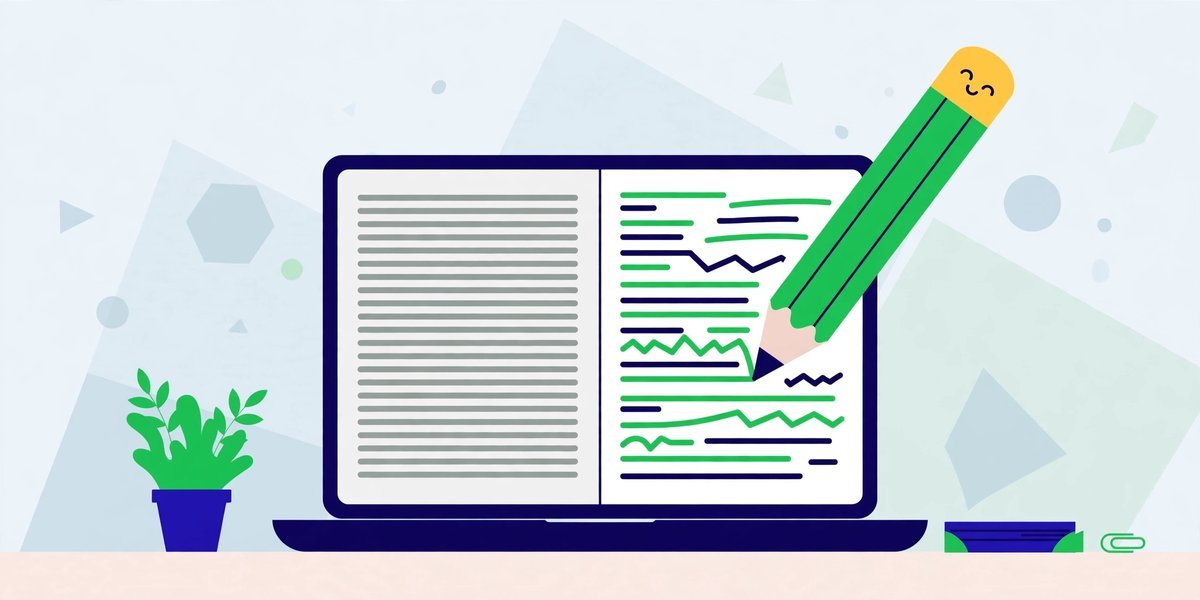
An AI text humanizer is a tool that tidies up AI-generated writing so it reads more like a person wrote it. At the simple end — and ours is deliberately there — it does the mechanical clean-up in your browser: stray formatting, doubled spaces, and the stock phrases that make a draft sound written by a committee of robots. What it cannot do, and no tool honestly can, is the thinking. That part is still yours.
Which is good news, really. The gap between a robotic draft and a human one is rarely vocabulary. It’s judgement: a specific detail, an opinion you’re willing to stand behind, a sentence that runs short because the point landed. This guide covers what the tool does, why AI drafts sound the way they do, and the habits that fix them.
If you want the mechanical pass done first, our free AI text humanizer cleans up the formatting and the worst robotic phrasing in seconds, in your browser — nothing is uploaded or kept.
What an AI Text Humanizer Actually Does
Paste in a draft and a humanizer does the janitor work: it normalises spacing and punctuation, strips leftover markdown from a copied AI answer, and swaps out overused stock phrases — the “furthermores” and “it is important to notes” — for plainer wording. Ours runs entirely in your browser, so your draft never leaves your machine.
Useful, but be clear about the limit: a humanizer works on the surface. It cannot add the one thing that makes writing sound human, because that thing isn’t in the text yet — something only you know. A price you actually paid. A mistake you actually made. A result you actually saw. Until those go in, you have a tidier robot, not a writer.
Treat the tool as step one of an edit, not the edit itself. What follows is steps two onwards.
Why AI Drafts Sound Robotic
Read enough AI drafts and the tells stop being subtle. They cluster into four habits — name them, and you can fix them.
Every sentence is the same length
AI writes in a steady medium gear: sentences of fifteen to twenty words, one after another, like a metronome. Humans don’t. We write a long, winding sentence when we’re explaining something, then stop short. Like that. The flat rhythm is often the first thing a reader feels, even when they can’t name it.
Hedge words everywhere
“Can help”, “may potentially”, “it is important to note that” — AI hedges because it averages millions of cautious writers at once, and the result commits to nothing. Human writers take positions: hedged where honesty demands it, plain everywhere else.
No specifics, only categories
Ask an AI about blogging and you’ll get “valuable content” and “your target audience”. Ask a blogger and you’ll get a post that took four hours, ranked for nothing, and taught them to check search intent first. AI drafts describe the category of a thing because they contain no instance of it. Specifics — numbers, names, dates, prices — are the fingerprints of experience.
List-shaped thinking
Left alone, AI organises everything into balanced lists of three with bold lead-ins, because that is what the average guide looks like. Real writing has lumps: a long section where the difficulty is, a short one where it isn’t. When every paragraph is the same shape, the shape gives the game away.

Edit for Readers, Not for Detectors
A word about AI detectors, because this is where the topic usually goes dishonest. Detectors are unreliable in both directions: they flag human writing — formal writers and people writing in a second language get flagged constantly — and they wave through plenty of genuine AI output. Anyone promising to make text “undetectable” is selling you a coin flip.
You can run a draft through an AI content checker for a rough second opinion — ours at least shows you the signals it reacted to. Treat the score as a prompt to re-read the draft, never as a verdict to write for.
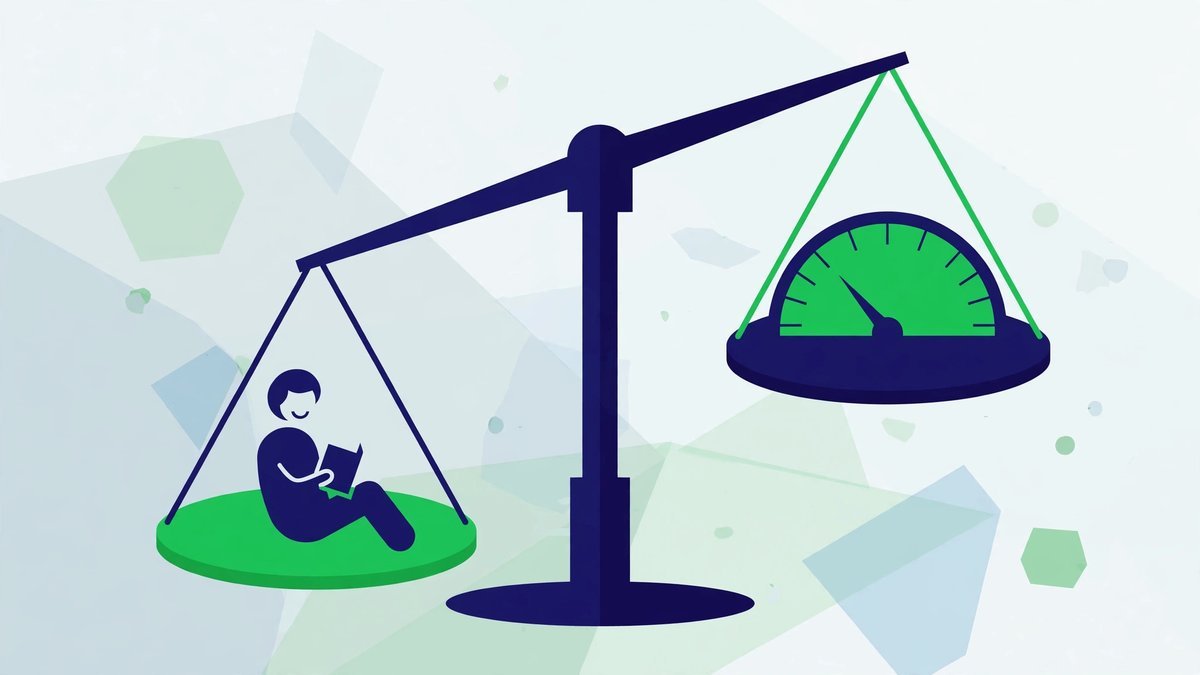
The goal that actually works is older and duller: write something a reader trusts. Google calls part of this E-E-A-T, and experience is the letter that matters — it can’t be generated or spun, only added, by you, out of your own work. Edit until the draft sounds like a person with a history, and the detector question mostly stops mattering.
The Editing Habits That Actually Humanise a Draft
None of this needs talent. It is a checklist of small, deliberate passes you can run over any draft:
- Vary the sentence lengths. If every sentence in a paragraph lands in the same range, split one, merge two, and let one run to three words. Rhythm first — it’s the cheapest fix with the biggest effect.
- Replace categories with instances. Every time the draft says “a useful tool”, make it name the tool. Every “many bloggers” becomes a number or a person — even if the person is you, last March.
- Cut filler openers. “In today’s digital landscape”, “When it comes to”, “It is important to note that” — delete the opener and start at the actual point. The sentence usually survives.
- Use contractions. “Do not” belongs in an instruction manual; “don’t” belongs to a person. Match the register of how you’d explain it out loud.
- Add one genuine opinion or experience line per section. A preference, a warning, a “this failed for me”. It doesn’t need to be dramatic. It needs to be yours.
- Read it aloud. Your ear catches the metronome rhythm your eyes skim past. If you run out of breath, the sentence is too long; if you sound like a newsreader, it’s too flat.
A readability checker gives you a rough map for the same job: page after page of long, dense sentences means the rhythm probably is flat, and the short-sentence pass above is due.

Humanising is not paraphrasing
One confusion to clear up. A paraphrasing tool swaps words for synonyms — “important” becomes “crucial”, “use” becomes “utilise” — and usually makes things worse, because the rhythm, the hedges and the missing specifics all survive. Humanising is editing, not swapping: the words often stay similar while the shape, the detail and the voice change completely.
Before and After: The Same Paragraph, Humanised
Here is a typical AI paragraph about starting a blog, followed by the same points after a humanising pass.
Before:
Blogging is a powerful tool for sharing your knowledge with the world. Furthermore, it can help you build an audience and establish yourself as an expert in your field. In addition, consistency is key to success in the blogging world, and it is important to note that results may take time.
After:
My first post was read by my mum and, as far as I can tell, nobody else. Three months of posting every Tuesday later, a stranger emailed to say one of my guides had fixed her problem. That’s the whole secret, such as it is: publish when you said you would, write about things you’ve actually done, and give it longer than feels reasonable.
What changed? Not the topic — the fingerprints. A specific reader, a specific day of the week, an admission, a short sentence. Four small edits, not one a synonym swap.
How to Use the AI Text Humanizer
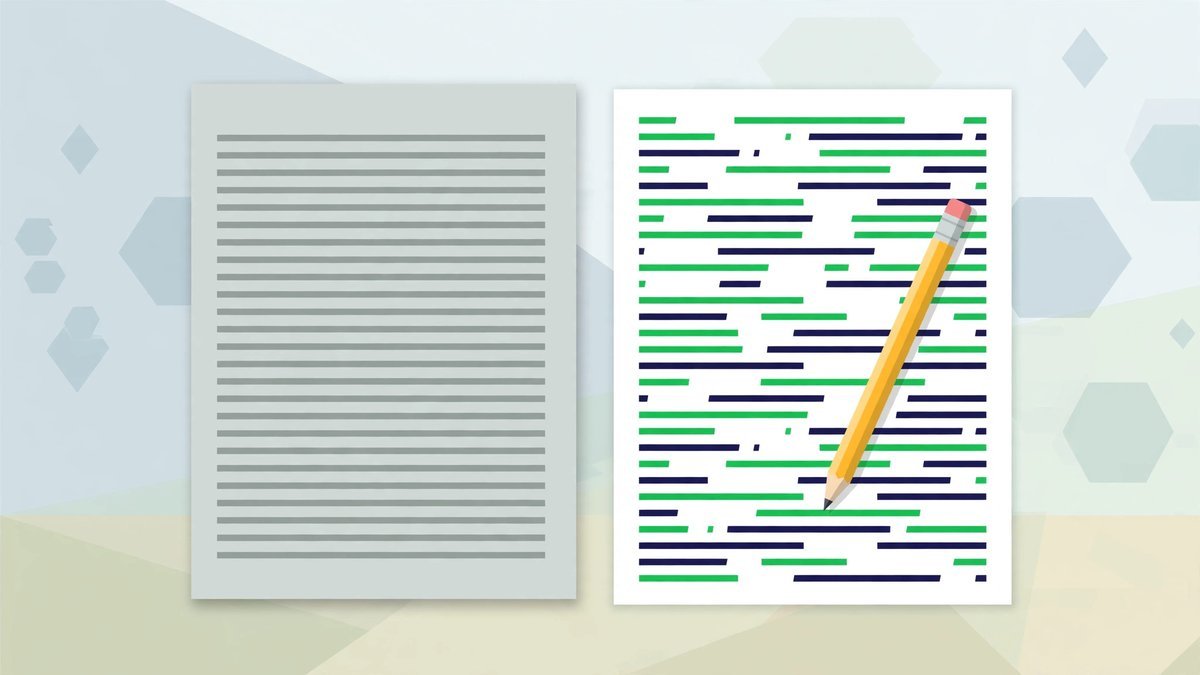
- Open the tool and paste in your draft — a section at a time if the post is long.
- Run the clean-up. The tool straightens the formatting and replaces the stock phrases it recognises.
- Read the result with the habits above. This is the real pass: vary the rhythm, add your specifics, cut the hedges.
- Read it aloud once. Fix anything your ear trips on. Then publish.
The sequence takes minutes, and because the AI text humanizer pass comes first, you’re editing clean copy instead of fighting formatting.
When NOT to Humanise
Two limits, both about honesty. First, facts: a humanising pass changes how things are said, never what is said. If the draft states a price, date or statistic, check it before polishing — fluent and wrong is worse than robotic and right.
Second, experience. Adding your own is the whole point; inventing experience you don’t have is the one move that crosses the line. “I tested this for a month” has to be true. Readers catch fabricated first-hand claims eventually, and a blogger’s only real asset is being believed. If you haven’t done the thing, say what you did instead — read it, compared it, asked someone who had. Still human. Still true.
Common Mistakes
- Treating the tool’s output as finished. The clean-up is the floor, not the ceiling. The specifics pass is where the value is.
- Writing for a detector score. Chasing a percentage produces stranger text than the original. Edit for the reader; let scores fall where they fall.
- Chopping every sentence into fragments. All short sentences reads as breathless, not human. Variety means keeping some long ones too.
- Synonym-swapping by hand. Doing a paraphrasing tool’s job manually: same rhythm, posher words, no more believable.
- Faking experience to sound human. The fastest way to sound human is to have done something. The fastest way to lose readers is to pretend you did.
Frequently Asked Questions
Will a humanizer make my text undetectable as AI?
No — and be suspicious of anything that promises it. Detectors guess from patterns, guess wrong in both directions, and change constantly. A humanizer cleans up surface habits; a proper edit makes the text genuinely yours. Aim for the second — it’s the only version that holds up whatever detectors do next.
Is it cheating to draft with AI and then humanise the draft?
No. It’s editing — writers have always edited drafts they didn’t fully write, from editors’ rewrites to dictated notes. What matters is what you publish: accurate, honest, carrying your own experience and judgement. The line is fabrication — invented results, fake experience, unchecked facts — not the tool you drafted with.
What is the difference between humanising and paraphrasing?
Paraphrasing swaps words for synonyms and keeps the structure, the rhythm and the vagueness intact. Humanising changes the shape of the writing: varied sentences, concrete specifics, contractions, and details from your own work. One disguises a draft. The other improves it.
Can an AI detector flag writing that is entirely human?
Yes, regularly. Formal writing, technical writing and text by people writing in a second language all get flagged as “AI-generated” by detectors measuring only rhythm and word patterns. A flag is a statistical guess, not evidence — nobody should be judged, paid or failed on one alone.
How long does humanising a blog post take?
The mechanical clean-up takes seconds. The real edit — rhythm, specifics, one honest opinion per section, a read-aloud pass — takes roughly 15 to 30 minutes for a full post once it’s a habit. That’s not overhead. That is the writing, and it’s the part readers actually notice.
Final Thoughts
AI drafts are a decent first mile and a poor last one. Let the machine produce the raw material, let the AI text humanizer handle the janitor work, and then do the part only you can do: put your Tuesdays, your mum-the-only-reader months, your actual numbers into it. A reader can’t always tell you why one post feels written and another feels generated. They can always tell.