

Google Latest Algorithm Update (May 2025): What Bloggers Should Know

Another month, another update — and Google May 2025 Algorithm Update is making waves across the blogging and SEO community. If you’ve seen fluctuations in your traffic lately, this update could be the reason.
In this post, we’ll break down what’s changed, who’s affected, and what bloggers need to do to stay ahead.
🔔 What Is the Google May 2025 Core Update?
Google rolls out several core updates every year, but the May 2025 Core Update specifically focuses on:
Content usefulness (EEAT)
AI-written content detection
Topical relevance and authority
User engagement signals
Link quality over quantity
🧠 Key Focus Areas of the May 2025 Update
1. EEAT Is Now Mandatory, Not Optional
Google continues to stress Experience, Expertise, Authoritativeness, and Trustworthiness.
✅ What changed:
Google is now prioritizing real authors, especially in niches like health, finance, and tech.
Blog posts with personal stories, author bios, and first-hand experience are ranking higher.
🔧 What to do:
Add detailed author bios
Share your experience in the post (even if you’re new, document your journey)
Link to social proof (e.g., LinkedIn, Twitter, etc.)
2. AI-Generated Content Is Under Heavy Scrutiny
Google isn’t banning AI content — but low-quality, mass-produced content is being penalized.
✅ What changed:
Sites using unedited Chat GPT or other AI tools with no value-add are seeing major drops
AI content detectors are now more advanced in Google indexing system
🔧 What to do:
Always edit AI drafts manually
Add original insights, images, stats, or real opinions
Use tools like Originality.ai to test your content if needed
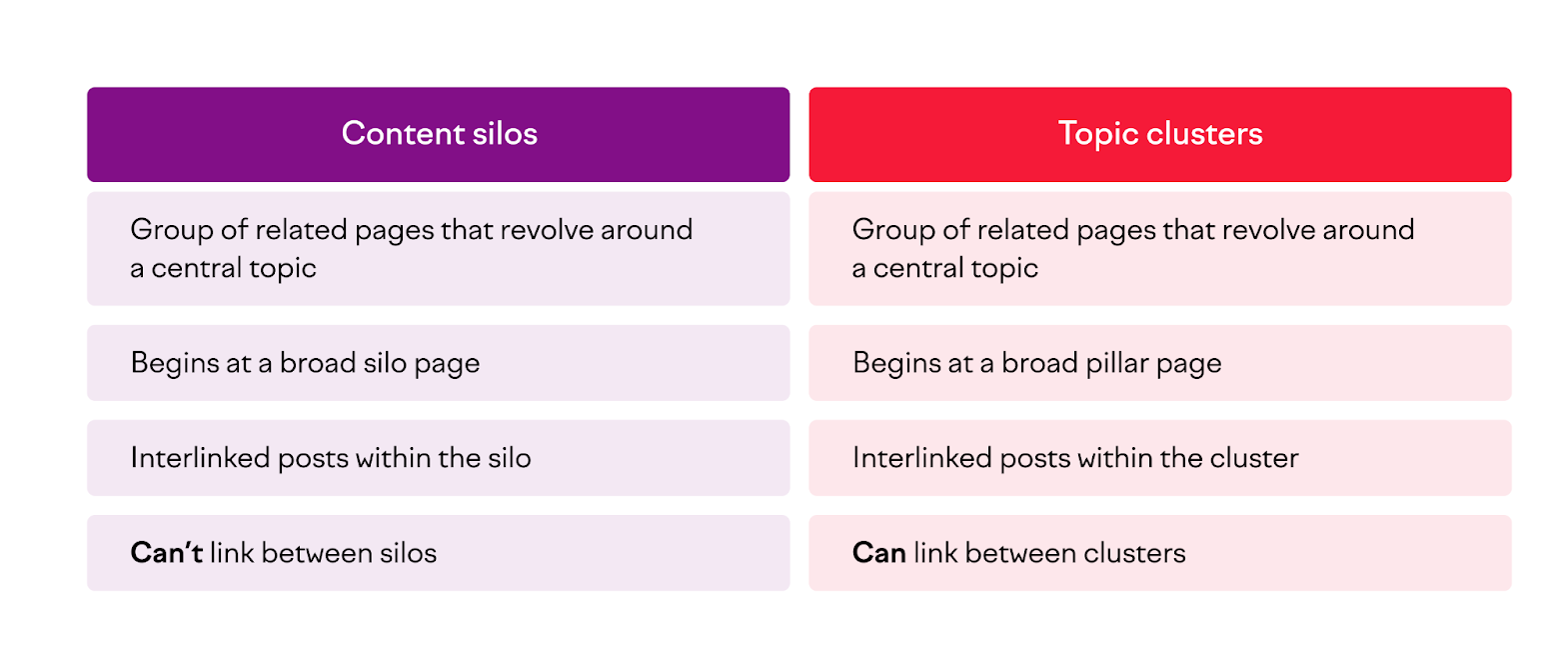
3. Topical Authority Beats Generic Blogging
Google now rewards blogs that go deep into a topic, rather than wide and shallow.
✅ What changed:
Sites focused on 1–2 micro-niches are gaining higher visibility
Jack-of-all-trades blogs with random posts across multiple topics are dropping
🔧 What to do:
Pick a specific niche (e.g., Blogging SEO)
Create pillar posts + supporting content
Use internal linking wisely
4. User Engagement Now Affects Rankings More Than Before
Google has increased the weight of user signals like:
Bounce rate
Time on page
Scroll depth
Click-through rate (CTR)
✅ What changed:
Thin content and poor UX get hit hard
Clickbait without value = penalized
🔧 What to do:
Use engaging intros
Add images, videos, infographics
Break content into digestible chunks
Add FAQ and interactive sections
5. Link Quality > Link Quantity
Gone are the days of spam my backlink blasts.
✅ What changed:
Low-quality guest post links, forum spam, and directory submissions are devalued
Relevant backlinks from real sites carry more weight than ever
🔧 What to do:
Focus on real guest posts on niche-relevant sites
Avoid Fiverr link packages
Build relationships, not backlinks
📊 Who Got Hit by the Update?
Most affected:
Sites relying heavily on AI content
Blogs without a clear niche
Content farms with generic information
Sites with no author credibility or trust signals
Benefited:
Niche sites with deep topic coverage
Blogs written with personal experience
Creators using original research, screenshots, or tutorials
Those who updated older posts with new info
🛠️ Action Plan: What Bloggers Should Do Now
| Task | Why It Matters |
|---|---|
| Audit existing content | Identify thin or outdated posts |
| Add author bios | Boost trust and EEAT |
| Rewrite or delete poor posts | Improve overall content quality |
| Create content clusters | Strengthen topical authority |
| Engage readers | Add CTAs, FAQs, polls, and visuals |
| Track rankings & clicks in GSC | Spot patterns and keyword drop-offs |
🧾 Tools to Help Post-Update Recovery
Google Search Console – Track changes and keyword losses
Surfer SEO / Neuron Writer – Optimize for on-page relevance
Originality.ai – Check for overuse of AI
Ahrefs / Uber suggest – Review lost backlinks and opportunities
Grammarly + Hemingway – Improve clarity and engagement
✅ Final Thoughts
The May 2025 Google Update is a wake-up call for bloggers relying on shortcuts. The future belongs to content creators who:
Share real experience
Build topical depth
Focus on genuine engagement
Use AI smartly — not lazily
If you adapt early, you won’t just survive these updates — you’ll thrive through them.