


Long-Tail Keywords: The Beginner Blogger’s Shortcut to Rankings

Introduction
Every new blogger hits the same wall. You write a good post, target a keyword you care about, publish — and nothing happens. The post sits on page eight of Google and never climbs.
The problem is rarely the writing. It is the keyword. New blogs keep aiming at the big, obvious phrases — “blogging tips”, “healthy recipes”, “budget travel” — and those phrases belong to the biggest sites on the internet.
Long-tail keywords are the way around that wall. They are the longer, more specific phrases real people type into Google, and the one place where a small blog can genuinely beat a big one.
What Are Long-Tail Keywords?
A long-tail keyword is a search phrase specific enough to reveal exactly what the searcher wants. It is usually three or more words long, gets fewer searches per month than a broad “head” term, and carries much clearer intent.
Compare the two:
- Head keyword: “running shoes” — millions of searches, but who knows what the searcher wants? To buy? To compare? To read reviews? Every major retailer and publisher is fighting for it.
- Long-tail keyword: “best running shoes for flat feet under £100” — far fewer searches, but the searcher has told you everything: they want recommendations, they have flat feet, and their budget is under £100. One well-written post can answer that properly.
The name comes from the shape of search demand. A few short phrases get huge volumes (the head), and then there is a very long “tail” of millions of specific phrases that each get a modest number of searches — together, the overwhelming majority of everything people search for.
One correction matters: word count alone does not make a keyword long-tail. “Notion vs Obsidian” is three words, yet it is specific and low-competition. “Best way to make money” is five words and still vague, with brutal competition. What matters is specificity and intent.

Why Long-Tail Keywords Matter for a New Blog
The competition is genuinely weaker. Big sites chase head terms because the volumes justify the effort. A phrase searched 200 times a month is not worth their time — but it is worth yours. When you target a specific phrase, you are often competing against forums, thin posts and outdated pages rather than polished articles from authority sites.
The traffic converts better. A visitor who searched “blogging tips” might want anything. A visitor who searched “how to start a food blog on WordPress for free” knows exactly what they want, and if your post answers it, they stay longer and are far more likely to join your email list or buy what you recommend. Industry research commonly cited in SEO circles puts long-tail conversion at roughly two and a half times the rate of short-tail traffic.
They build topical authority, one small win at a time. Ranking for one long-tail phrase rarely changes a blog on its own. Ranking for twenty related ones does: each post that answers a specific question signals to Google that your site covers that topic properly. Our guide to topical authority for bloggers explains how those small wins compound.
How to Find Long-Tail Keywords for Free
You do not need a paid tool. Google itself hands long-tail keywords to you, because every suggestion box and related-search list is built from real searches.
Start with a seed topic, then narrow it. Take a broad topic — “meal planning” — and narrow it twice: meal planning for families, then meal planning for busy families on a budget. The narrower your starting point, the easier it is to find phrases nobody else is properly answering.
Mine Google Autocomplete. Type your seed phrase into Google in a private browsing window, without pressing Enter. The suggestions are real phrases people search. Add a letter after the seed — “meal planning a”, “meal planning b” — and each one pulls a fresh set. Question words work the same way: try “how”, “why”, “best” and “vs”.
Read the People Also Ask box. Search your seed phrase and look at the “People Also Ask” box. Every question in it is a long-tail keyword in question form, and each one you click expands into more questions. These are ready-made subheadings, and they line up perfectly with the conversational searches that voice assistants and AI answers favour.
Check the related searches. Scroll to the bottom of the results page. The “Related searches” list is Google telling you which phrases it considers connected to your topic, and they make excellent supporting keywords inside the same post.
Use Google Search Console once you have traffic. Once your blog has even a little traffic, Search Console shows the real queries your pages already appear for — including long-tail phrases you never targeted that are sitting on page two or three. A small update can push them onto page one. Our guide to Google Search Console for bloggers walks through the exact reports to check.

How to Judge Whether a Long-Tail Keyword Is Worth Targeting
Not every long-tail phrase deserves a post — run each candidate through three quick checks first.
Search it and look at page one. If the top results are forums, Reddit threads, thin posts or pages last updated years ago, there is a gap you can fill. If the top five are all polished, recent articles from big authority sites, pick a more specific variation.
Check the intent behind it. Read the ranking pages and ask what format Google is rewarding: a how-to guide, a list, a comparison, a product round-up? Your post should match that format. Then check the volume: as a rough guide, a brand-new blog should aim for phrases in the region of 50 to 500 searches a month. Below that, the traffic may not justify a full post; far above it, the competition usually jumps.
How to Use Long-Tail Keywords in a Blog Post
Give one post one primary keyword. Every post should have one clear job: rank for one main long-tail phrase. Use it in the title tag, in the H1, in the first paragraph, and in one or two subheadings where it fits naturally. Then stop forcing it.
Use the related phrases as sections. The other long-tail phrases you found are not separate posts — they are the subheadings of this one. If your primary keyword is “how to start a food blog on WordPress for free”, your H2s can answer the related questions: which hosting to choose, which theme works best, how much it really costs. One post can end up ranking for a dozen related phrases instead of one.
Write the answer first, then the explanation. Long-tail searchers arrive with a specific question and decide within seconds whether your post answers it. Put a short, direct answer near the top, then give the detail underneath. This structure is also what gets posts cited in featured snippets and AI overviews — our guide on how to get featured snippets covers the formatting that works best.
Keep the density natural. There is no magic percentage to hit. If you have used your keyword so often that a reader would notice, you have used it too often. Write naturally, use synonyms, and check the finished draft with a keyword density checker to catch accidental repetition.
Link it into your site properly. Link out to related guides — for example, your post on internal linking strategy — and link back from older posts where it fits. Internal links tell Google how your posts relate, and they keep readers on your site longer. Keep the URL short and clean, too: a slug generator helps you trim a long keyword phrase into a tidy slug.
Long-Tail Keywords and Content Clusters
The real power of long-tail keywords shows up when you stop thinking of them as one-off targets and start grouping them.
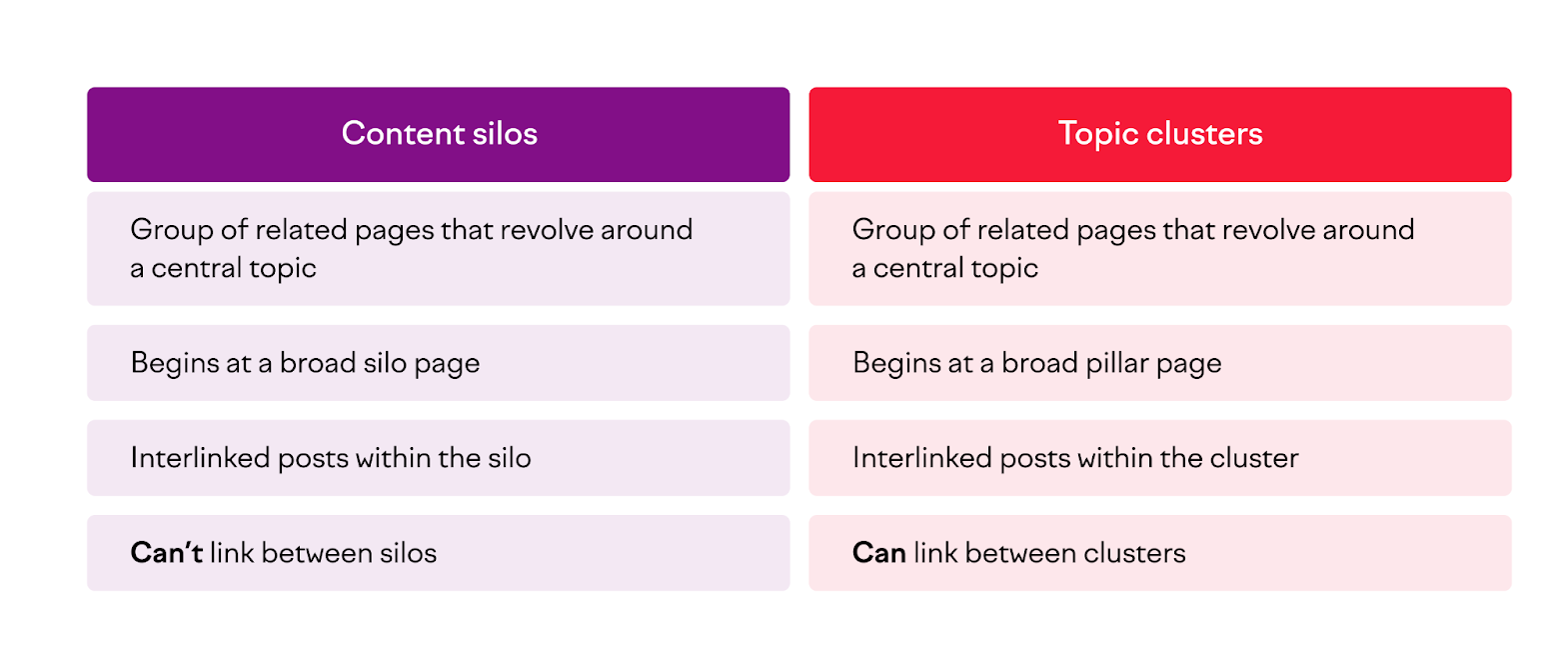
A content cluster is a set of posts that all answer different long-tail questions inside one bigger topic, linked together and pointing at one main guide. A pillar post on “keyword research for beginners” might sit at the centre, with cluster posts answering “how to find long-tail keywords for free” and “what is keyword difficulty”. Each cluster post can rank on its own, and together they make the pillar post stronger.
This is also the cure for a common beginner mistake: writing one thin post per keyword. Ten short posts chasing ten near-identical phrases compete with each other — a problem called keyword cannibalisation, which our guide on keyword cannibalisation explains how to fix.

Common Long-Tail Keyword Mistakes to Avoid
Chasing phrases with no traffic at all. A phrase that is specific is good. A phrase that nobody searches is a dead end. If a keyword tool shows no volume and Google shows no meaningful results, it is probably a phrase you invented, not one people use.
Stuffing the keyword into every sentence. Repeating the exact phrase ten times does not help you rank, and it makes the post unreadable. Google understands synonyms and related terms — write for the reader and let the variations do the work.
Giving up too soon. Long-tail keywords are faster than head terms, but they are not instant. A realistic timeline for a well-chosen low-competition phrase on a new blog is roughly three to six months from publishing to a stable ranking, assuming solid on-page SEO and a few internal links. The bloggers who win are the ones who publish, wait, check Search Console, and improve the post.
Frequently Asked Questions
What is a long-tail keyword in simple terms?
A long-tail keyword is a longer, more specific search phrase — usually three or more words — that reveals exactly what the searcher wants. “Best running shoes for flat feet under £100” is a long-tail keyword; “running shoes” is not. Long-tail phrases get fewer searches each, but they have lower competition and clearer intent.
How many words should a long-tail keyword have?
Usually three or more, but word count is a clue, not the definition. What matters is specificity and intent. A three-word phrase like “Notion vs Obsidian” is a genuine long-tail keyword, while a five-word phrase like “best way to make money” is still vague and highly competitive.
Are long-tail keywords still worth targeting in 2026?
Yes — more than ever. People increasingly search in full questions and complete sentences, through voice search and AI tools, and those queries are long-tail by nature. For a new or small blog, they remain the most realistic route to first-page rankings and the traffic that converts best.
How do I find long-tail keywords without paying for a tool?
Use Google itself: Autocomplete suggestions, the People Also Ask box, and the related searches at the bottom of the results page are all built from real searches and cost nothing. Google Keyword Planner is free inside a Google Ads account, and AnswerThePublic and KeywordTool.io both have useful free tiers.
How long does it take to rank for a long-tail keyword?
For a well-chosen, low-competition phrase on a new blog, a realistic timeline is roughly three to six months from publishing to a stable ranking, assuming the post answers the query properly, the on-page SEO is solid, and the post has a few internal links pointing to it.
Conclusion
Long-tail keywords are simply the honest way a small blog competes: by answering specific questions better than anyone else, instead of shouting for attention on phrases owned by giants.
Start narrow. Pick one sub-topic, find the phrases real people are searching, check what already ranks, and write the best answer you can. Then do it again next week. The traffic builds slowly at first — a handful of visits from one phrase, a few more from the next — and then, almost without noticing, you have a cluster of posts bringing in readers every day who arrived knowing exactly what they wanted and found it on your blog.