


How to Rank for “People Also Ask” Questions as a Blogger

You have seen them a hundred times. You type a question into Google, and halfway down the results page sits a small box of related questions — “People also ask”. You click one, it expands into a short answer with a link, and two more questions appear underneath.
For a blogger, that little box is one of the fairest fights in SEO. You do not need to outrank a giant publication to appear in it. You do not need a huge domain authority score. You need a page Google already trusts, a heading that matches the question, and an answer so clear that Google can lift it out and show it on its own. This guide explains what People Also Ask is, how Google chooses its answers, and the format that gives your blog the best chance of being cited.
What Is People Also Ask (PAA)?
People Also Ask, usually shortened to PAA, is a block of related questions that Google shows inside the search results. Each question expands to reveal a short passage from a web page, with a link to it. Clicking a question loads more related questions underneath.
PAA boxes now appear on most searches, and more often still for informational queries — exactly the kind most blog posts target.
The box matters for three reasons. It sits high on the page, usually as the third or fourth block, above most of the organic results. It is question-shaped, matching the way real people search: “how do I…”, “why does…”, “what is the best…”. And it is winnable: Google picks the passage that answers the question most directly, not necessarily the page that ranks first.
How Google Chooses People Also Ask Answers
Google treats each question as its own little search: it looks at pages that already rank reasonably well for it, then picks the passage that answers it most cleanly. The mechanism is closely related to featured snippets, and there is no special markup you can add to request a placement.
Two things follow from that.
You need to rank for the question, or at least for its parent keyword. Not first — usually somewhere in the top twenty is enough. Google chooses among pages it already trusts, so a brand-new page with no rankings rarely gets picked.
You need a passage that answers the question by itself. A heading that matches the question, followed by a direct answer that makes sense with nothing else around it. If your page ranks but contains no such passage, another page gets the box.
One more thing: in 2026, many PAA answers are generated or summarised by Google’s AI systems rather than lifted word for word. That does not change the work — clear, well-structured answers are exactly what AI answers draw on too. Our guide to getting cited in Google AI Overviews covers that in detail.
Step 1: Find the Questions Your Readers Actually Ask
Never guess at the questions. Google shows them to you for free.
Search Google by hand. In a private browser window, search your target keyword and note the questions in the People Also Ask box. Click each one and note the new questions that load underneath. Three levels of clicking usually produces ten to twenty questions, all phrased in the searcher’s own words.
Mine Google Search Console. If your blog has been live for a few months, Search Console already holds real questions people typed before finding you. Filter the Performance report to queries containing “how”, “what”, “why”, “can”, “does”, “is” or “should” — those are the questions your pages are already close to ranking for, and your easiest PAA wins. Our guide to Google Search Console for bloggers walks through the reports that actually matter.
Use free question tools. AnswerThePublic shows the questions people ask around a keyword, and AlsoAsked draws the branching tree of questions that follow from a seed query. Neither is essential, but both help when you are planning a cluster of posts around one topic. Our keyword research guide for beginners shows how to build a full keyword list without paying for a single tool.

Step 2: Pick the Questions You Can Actually Win
Not every question is worth chasing. Before you write a word, check three things.
Do you rank for the parent keyword? The top twenty is the usual threshold. If your page is nowhere near ranking for the topic, that question waits until your page climbs. Focus first on questions attached to posts that already get some search traffic.
Who owns the answer now, and how good is it? Click the question in Google and read the answer it shows. If it is a vague paragraph from a thin page, it is beatable. If it is a precise answer from a major reference site, move on and pick a softer target.
Does the question fit a page you already have? The best home for a PAA answer is a page already about the topic — bolting an unrelated question onto a post rarely works.
Take the top five questions for each page — five well-answered questions on one strong page beat twenty scattered across posts that do not rank.
Step 3: Write the Answer in the Format Google Lifts
This is where most bloggers lose the placement, and it is entirely fixable. The winning format is consistent, and it has barely changed in years.
Use the question as a heading
Put the question in an H2 or H3, in the same words people actually use. “How long should a blog post be?” beats “Length considerations”. Google matches headings to questions, and an exact match tends to win.
Answer it in 40 to 60 words, right below the heading
Directly under the heading, lead with the answer in the first sentence, then add one or two sentences of support. Around 40 to 60 words is the sweet spot: long enough to be genuinely useful, short enough for Google to lift cleanly. Past sixty words, Google struggles to pull a neat snippet.
How long should a blog post be?
A blog post should usually be 1,500 to 2,000 words when it targets a competitive keyword, because that length gives you room to answer the question properly and cover the subtopics Google expects. Shorter posts can still rank for narrow questions. Length follows the topic — write as much as the question needs, and no more.
The first sentence answers the question outright, the rest adds context, and the whole block stands alone — that is the test every PAA answer has to pass.
Match the format Google already shows
Not every question wants a paragraph. Mirror the format Google already shows for that question: steps for “how do I”, a small table for comparisons, a number in the first sentence for “how much”.
Then expand underneath
The short answer is the hook, not the whole section. After it, expand with examples or a short list — whatever genuinely helps the reader. Our guide to featured snippets covers the same answer-first structure in more depth.

Step 4: Add FAQ Schema to Your Questions
FAQ schema is structured data that tells Google, in machine-readable form, “here is a question, and here is its answer”. It is not required — Google can find your question-and-answer pairs on its own — but it makes the structure explicit, and it is cheap to add.
If you use Rank Math, the FAQ block generates the schema automatically. In the classic editor, a free FAQ schema plugin does the same job. Keep the schema answers identical to the visible text — mismatched schema and visible content costs trust.
Do not mark up every heading as FAQ schema — pick the genuine question-and-answer pairs and leave the rest as ordinary headings.
Step 5: Build Topical Depth Around the Question
A single well-formatted answer can win a placement. A page that covers its whole topic deeply wins placements again and again, for questions you never even targeted. When Google sees a page answering the main question and the questions behind it, it starts treating that page — and that site — as an authority on the topic.
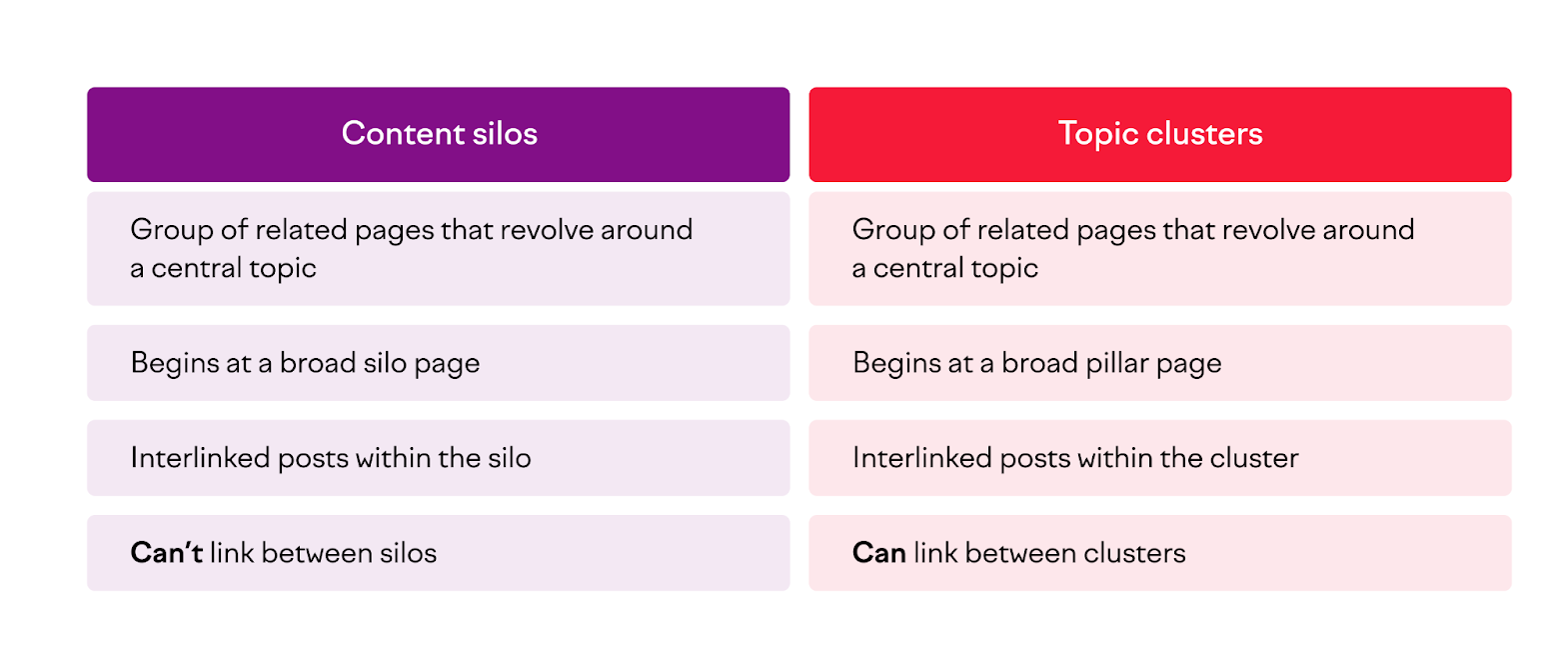
In practice: cover the obvious sub-questions inside the post. Link to your own related guides where they genuinely help — a post about People Also Ask naturally sits alongside long-tail keywords. And keep the cluster growing: when you publish a new post on a related topic, link it back to the hub post. Our guide to topical authority for bloggers explains how this cluster approach compounds over time.

Common People Also Ask Mistakes to Avoid
Answering questions nobody asks. If a question does not appear in Google’s own PAA box, in Search Console, or in a question tool, it is probably not a real search.
Burying the answer. The most common failure is a heading that asks the question, followed by paragraphs of introduction before the answer appears. Google lifts the text directly under the heading — if that text is throat-clearing, you lose.
Writing answers that are too long. Past roughly sixty words, Google cannot pull a clean snippet.
Chasing questions your page cannot rank for. A brilliant answer on a page that ranks on page five will not be cited. Check your rankings first and improve the page’s overall SEO before adding PAA answers. Our blog SEO audit checklist is a good place to start.
Forgetting mobile. Most PAA clicks happen on phones, and Google judges your page on its mobile version. A slow or awkward page is less likely to be cited, however good its answers are.
The Short Version
Ranking in People Also Ask is not a trick and it is not reserved for big sites. Find the real questions people ask, check that your page already ranks near them, put each question in a heading in the searcher’s own words, answer it in 40 to 60 words right underneath, and build enough depth that Google keeps coming back to your page.
Start with one post: find five questions, add five clean answers, and check back in a month. The first time you see your own blog cited in that little expanding box, you will know why small bloggers love this win — it is Google saying, in public, that your answer was the clearest one it could find. Give each change four to six weeks: placements rotate as Google reassesses sources, so refresh any answer that looks stale.
Frequently Asked Questions
What is People Also Ask in SEO?
People Also Ask (PAA) is a Google search feature that shows a box of related questions inside the search results. Each question expands to reveal a short answer with a link to the source page — a chance to win extra visibility for question-based searches, even when your page does not rank first.
Do you need to rank first to appear in People Also Ask?
No. A page ranking anywhere on the first page — often in the top twenty — can be cited if its answer is the clearest one Google can find. Structure matters more than position.
How long should a People Also Ask answer be?
Around 40 to 60 words. Lead with the answer in the first sentence, then add one or two sentences of support. Shorter answers feel thin, and longer ones are hard for Google to lift cleanly.
Is FAQ schema required to rank in People Also Ask?
No — Google can find question-and-answer pairs in ordinary page content. But schema makes the structure explicit and is easy to add through Rank Math or a free plugin.
How do I find People Also Ask questions for my blog?
Search your target keyword in a private browser window and note the questions in the PAA box, clicking each one to reveal more. Then check Google Search Console for question-shaped queries — those starting with “how”, “what”, “why”, “can” or “does”.