


Headline Analyzer: How to Write Blog Titles People Actually Click
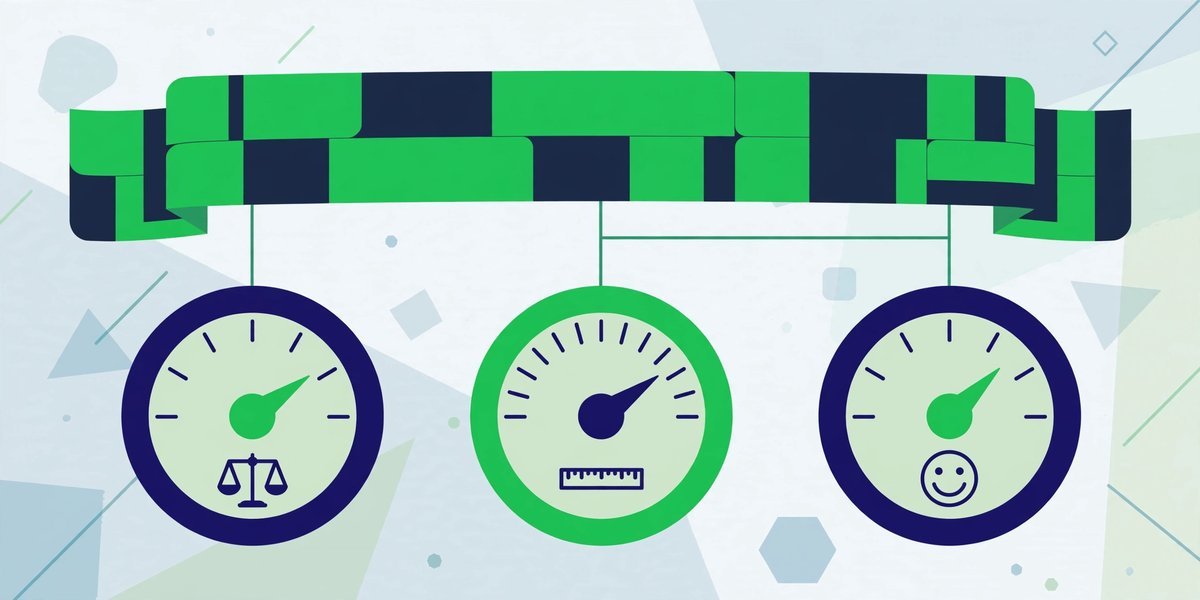
A headline analyzer is a tool that scores your blog title and shows you what is working and what is not — its length, the mix of ordinary and eye-catching words it uses, and the feeling it gives off. You paste in a headline, it hands back a score with a breakdown, and you rewrite with something better than a hunch.
Why bother? Because for most of your audience, the headline is the whole article. It is the only part of your post that appears in a Google result, a social feed, an email inbox and a browser tab. Plenty of people will read your headline and nothing else — they never get past the door.
I have lost count of decent posts that sank under titles like “Some Thoughts on Blogging” — the writing was fine, but nobody ever found out. If you’d like to check your own titles as you read, our free headline analyzer scores them in your browser, no sign-up needed. This guide explains what the score measures, how to use it, and where its limits are.
What Does a Headline Analyzer Check?
Different analyzers weigh things slightly differently, but they all circle the same handful of qualities.
Length, in words and characters
A title needs enough words to make a specific promise, but not so many that search results chop it off. Most analyzers look kindly on roughly 8 to 14 words. Shorter usually means vaguer — “Blogging Tips” promises nothing. Longer usually means three promises at once.
Word balance: common, uncommon, power and emotional words
Analyzers sort your words into rough buckets:
- Common and uncommon words — common words (how, to, your, for) are the glue every headline needs — but a headline made only of glue reads like a form letter. Uncommon words add the texture.
- Power words — words with a bit of voltage: proven, mistakes, exactly, honest. Used honestly, they sharpen a title; used dishonestly, they turn it into a shout.
- Emotional words — words that make a reader feel something: frustrating, proud, embarrassing, relief.
A title with no power or emotional words at all — “A Guide to Writing Blog Posts” — is accurate and completely forgettable. The real question is whether a human has any reason to care.
Sentiment and headline type
Sentiment is whether your headline reads as positive, negative or neutral. Negative headlines (“7 Mistakes That Are Killing Your Traffic”) grab attention because problems itch; positive ones promise relief. Neither is automatically better — the feeling has to match the article. Analyzers also label the type — how-to, list, question, statement — each with its own expectation.
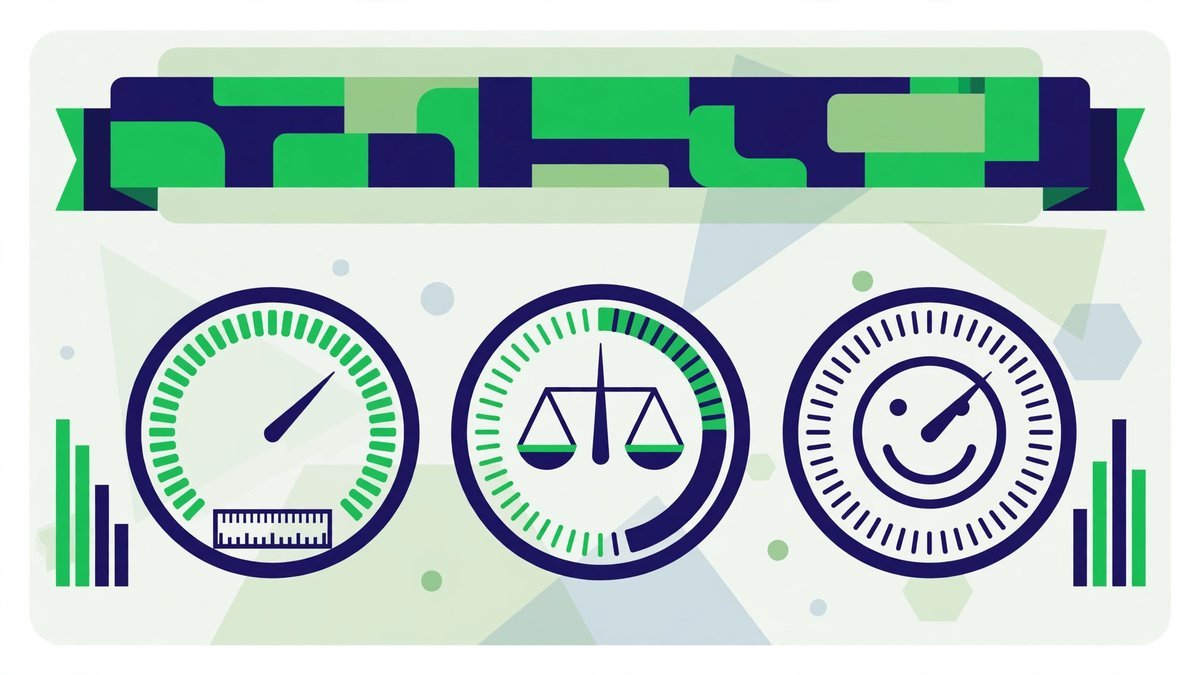
How to Use the Free Headline Analyzer
The tool takes seconds; the thinking around it is where the value is.
- Write your headline first — your honest first attempt, not a polished one. Paste it into the analyzer exactly as you wrote it.
- Read the breakdown, not just the score. A single number tells you almost nothing. Which part is weak: too short? No emotional words? Sentiment at odds with the content?
- Rewrite one thing at a time. Change the weak part, keep the rest. Rewrite everything at once and you learn nothing.
- Compare two or three versions side by side. You want the version that is clear first and punchy second — in that order. Then read the winner out loud: if it sounds like an advert shouted through a letterbox, tone it down.
The Honest Bit: A Score Is a Guide, Not a Promise
Let’s be straight about this, because plenty of tool pages won’t be. No analyzer can tell you whether a headline will get clicks. It can’t see your audience, your competitors on the results page, or whether your article delivers. A score of 85 on a headline that lies about the content will still bounce readers back to Google; a modest 60 on a clear, honest title quietly outperforms it.
Clarity beats tricks, every time. If a reader can’t tell from your headline what they’ll get, no arrangement of power words saves it. And if the headline promises “the complete guide” over 400 thin words, the problem isn’t the headline — it’s the promise. The analyzer’s real job is narrower than fortune-telling: it catches the fixable flaws — too vague, too long, no feeling, no specifics — before you publish. Treat it like a spellchecker: never publish without one, never let one write the article. And once the post is written, give the text itself the same treatment with our Readability Checker — a great headline on an unreadable article is wasted.
What Actually Makes a Headline Work
Most good headlines share the same ingredients; two or three, well chosen, do the job.
- A specific benefit. Not “Blogging Advice” but what the reader walks away with: “The Weekly Routine That Keeps My Blog Growing”.
- A number. Numbers set expectations and make scanning easy. “9 Ways” tells a busy reader what they’re committing to.
- A question. Questions mirror what people type into Google: “Why Is Nobody Reading Your Blog?”
- Brackets or parentheses. A short bracketed extra — [With Examples], (2026 Update) — adds information without lengthening the sentence.
- The second person. “Your” puts the reader inside the headline. “How to Improve a Blog” is a filing cabinet; “How to Improve Your Blog in a Weekend” is a conversation.
- A promise the article keeps. The least glamorous ingredient and the only non-negotiable one. Every click won with a headline your content can’t honour trains a reader not to trust you.
6 Headline Formulas That Earn Their Clicks
Formulas aren’t cheating. They’re shapes that have worked for decades because they match how people decide what to read.

1. How to [result] [without the painful bit]
Example: “How to Grow Your Blog Without Posting Every Day”. The second half names the objection your reader already has.
2. [Number] [things] that [outcome]
Example: “11 Small Fixes That Doubled My Sign-Up Rate”. Lists work because readers can see the article’s shape before committing.
3. The question your reader is already asking
Example: “Is Blogging Still Worth It in 2026?”
4. [Topic]: [the honest angle]
Example: “Email Marketing: What Actually Works When Your List Is Tiny”.
5. [Mistake or fear] + the way out
Example: “Your Blog Posts Are Too Long (Here’s How to Tell)”. A problem, then reassurance that the answer is inside.
6. [Result] in [timeframe]
Example: “A Clearer Homepage in One Afternoon”. Timeframes make a benefit feel reachable — only use one your article can back up.
Write Ten Headlines, Then Choose One
Here is the habit that separates bloggers whose titles land from bloggers whose titles happen. Before publishing anything, write ten headlines for it. Not two. Ten.
The first three will be the obvious ones anyone would write. Four to seven get more specific, because you’re digging into what the article actually contains. Around eight, nine or ten, you’ll usually write the one that makes you sit up — a sharper angle, a forgotten number, a question a reader genuinely asked you. You can’t schedule that headline to arrive first; you can only write your way down to it.
Then run your best two or three through the analyzer, compare the breakdowns, and pick. It is the same drafting discipline behind every durable post — if you want the full picture, our guide to how to write blog posts that rank walks through the whole process.
Before and After: Three Weak Headlines, Fixed
Nothing teaches this faster than watching it happen.
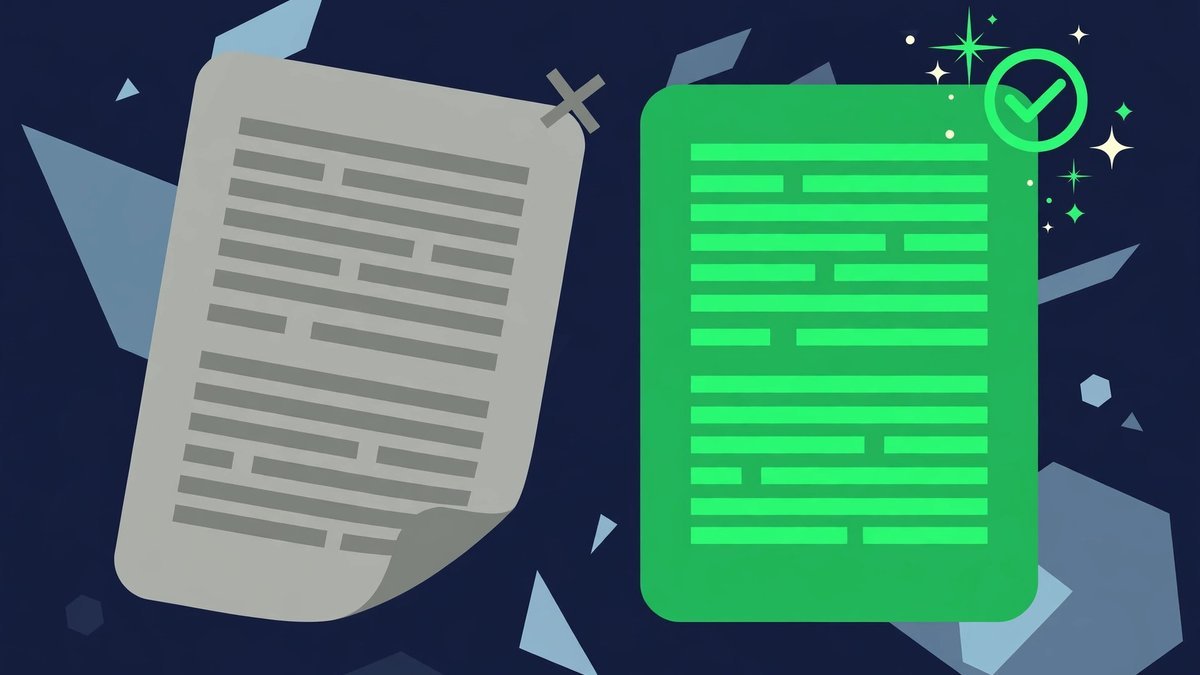
Before: “Blogging Tips”
After: “9 Blogging Tips I Wish Someone Had Told Me in Year One”
The original promised nothing and competed with the entire internet; the fix added a number, a person, and hard-won experience.
Before: “How to Use Social Media to Promote Your Blog Content Effectively”
After: “How to Promote a Blog Post on Social Media (Without Living on It)”
The original was 64 characters of glue words, and would be trimmed in search results anyway; the fix shortened it and ended with the benefit in brackets.
Before: “You Won’t Believe What Happened When I Changed My Blog Design!!!”
After: “I Changed One Thing on My Homepage. Sign-Ups Rose Within a Month.”
The original shouted and told the reader nothing; the fix kept the curiosity but grounded it in a checkable claim.
Notice the pattern: the analyzer never wrote the new headline — it flagged the flat word balance, the length, the missing specifics, and the judgement stayed human.
Common Headline Mistakes
- Clickbait the article doesn’t deliver. “The One Trick Google Doesn’t Want You to Know” attached to an ordinary tips post. Readers forgive a dull headline; they don’t forgive being conned.
- Vague titles. “Some Ideas About Content” could be about anything, so it’s about nothing. If your headline could sit on fifty articles, it belongs on none of them.
- Keyword-stuffed titles. “Blog SEO Tips: Best SEO Tips for Blogs and Bloggers Seeking Blog Tips” — written for an algorithm that stopped falling for this years ago.
- Shouting. ALL CAPS AND THREE EXCLAMATION MARKS!!! read as desperation, not excitement. One strong word beats ten loud ones.
- Too long for the results page. A brilliant headline cut off mid-promise (“How to Fix Your Blog’s Falling Traffic With One Simple…”) wastes its own ending. Once your headline is settled, check how title and description look together — our Meta Tag Generator builds both and shows you the search-result preview before you publish.
Frequently Asked Questions
What is a good headline analyzer score?
There is no universal number — analyzers weigh things differently, and none can see your audience. Compare your own versions of the same headline instead: the draft that wins on length, word balance and clarity is the signal. A specific, honest headline with a modest score usually beats a high-scoring one that over-promises.
How long should a blog headline be?
Long enough to make a specific promise, short enough to survive a results page — roughly 8 to 14 words for most posts. Needing more usually means two promises at once; cutting to one makes it stronger.
Do numbers in headlines really work?
Yes — they set expectations. A number tells a scanning reader how much they’re committing to. What doesn’t work is a number the article doesn’t match: “17 tips” followed by six real ones and padding.
Should my headline match my SEO title exactly?
They can be, and often are, but they don’t have to be. Your on-page headline can be warmer while the SEO title stays tighter — what matters is that both make the same promise.
Can a headline analyzer guarantee more clicks?
No — be suspicious of any tool that says otherwise. An analyzer can flag a headline that’s too long, too vague or flat, and comparing drafts helps. But clicks depend on topic, audience, ranking position and whether the article delivers.
Final Thoughts
Your headline is the hardest-working sentence you write, and the one most bloggers spend the least time on. Write ten drafts, pick the clearest and most honest, and use the headline analyzer the way you’d use a mirror before leaving the house — a quick check for obvious problems, not a verdict on your worth. Do that for every post, and your titles will stop being the reason good articles go unread.